Kitchen Splashback: Stylish Protection for Your Kitchen Walls
A kitchen splashback is more than just practical protection for your walls. It’s a design opportunity that can transform your entire kitchen aesthetic. Positioned between your benchtop and overhead cabinets, the splashback shields walls from cooking splatters, heat, and moisture whilst serving as a visual focal point that ties your kitchen design together.
Choosing the right kitchen splashback ideas involves balancing functionality with style. Whether you’re drawn to the sleek modernity of a glass kitchen splashback, the natural elegance of stone, or the space-enhancing qualities of a mirror, your splashback choice significantly impacts both the practicality and appearance of your cooking space. With countless materials, colours, and designs available, understanding your options helps you create a kitchen that’s both beautiful and functional.
Kitchen Splashback Materials
Glass Splashbacks
The glass kitchen splashback has become increasingly popular in contemporary Australian homes. Kitchen splashback glass offers a seamless, smooth surface that’s incredibly easy to clean. Splashes and grease wipe away effortlessly without grout lines or textured surfaces to trap grime. Glass splashbacks are available in virtually any colour through back-painting, allowing perfect coordination with your kitchen’s colour scheme.
Glass reflects light beautifully, making kitchens feel brighter and more spacious. This is particularly valuable in smaller kitchens or spaces with limited natural light. Modern printing technology also enables custom images, patterns, or textures to be incorporated into glass splashbacks, creating truly unique design statements.
Installation considerations: Glass splashbacks require professional installation to ensure proper fitting and safety. They can be cut to accommodate power outlets, switches, and windows, though any modifications must be completed before tempering. Whilst durable, glass can scratch if cleaned with abrasive materials, so use soft cloths and appropriate cleaning products.
Stone Splashbacks
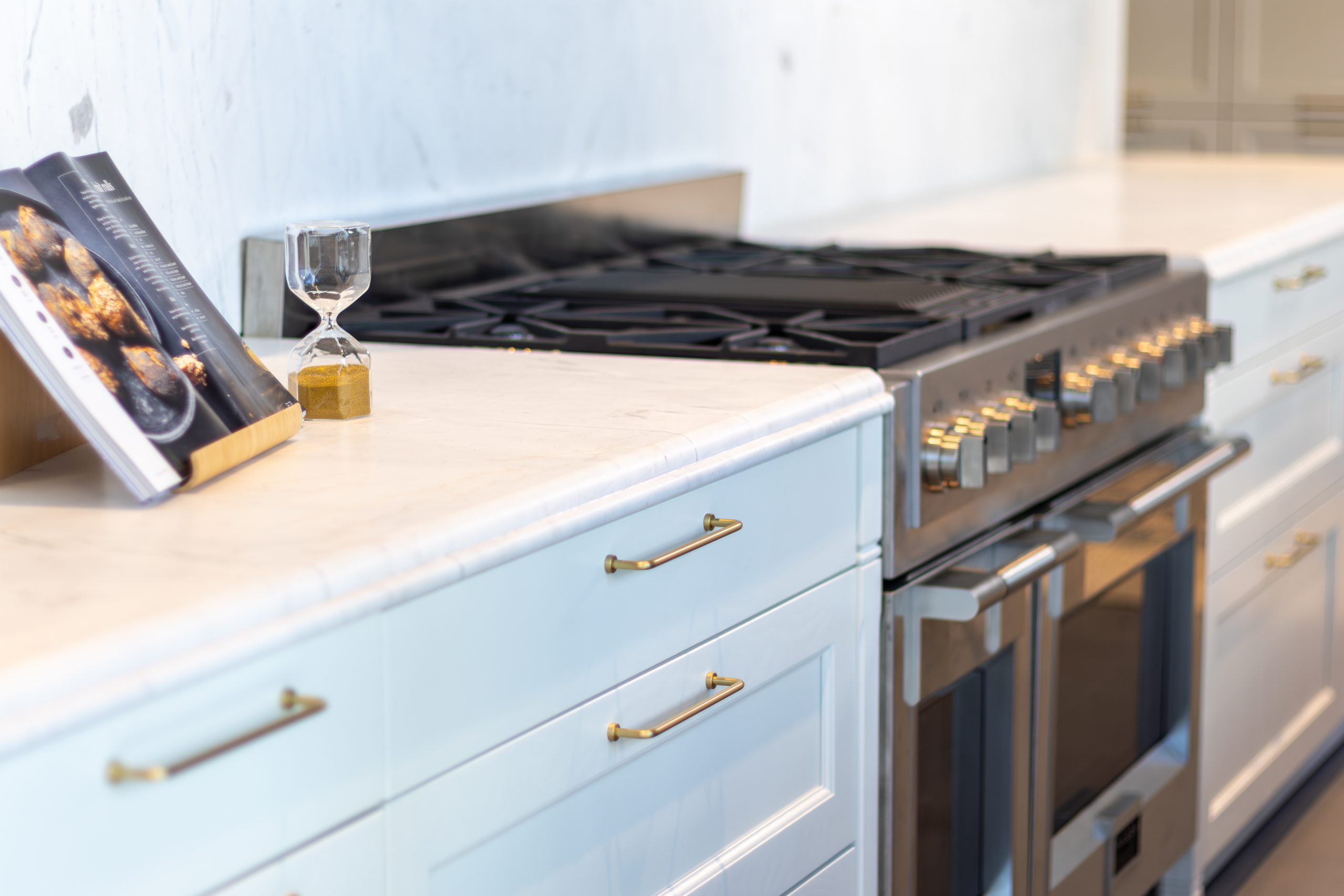
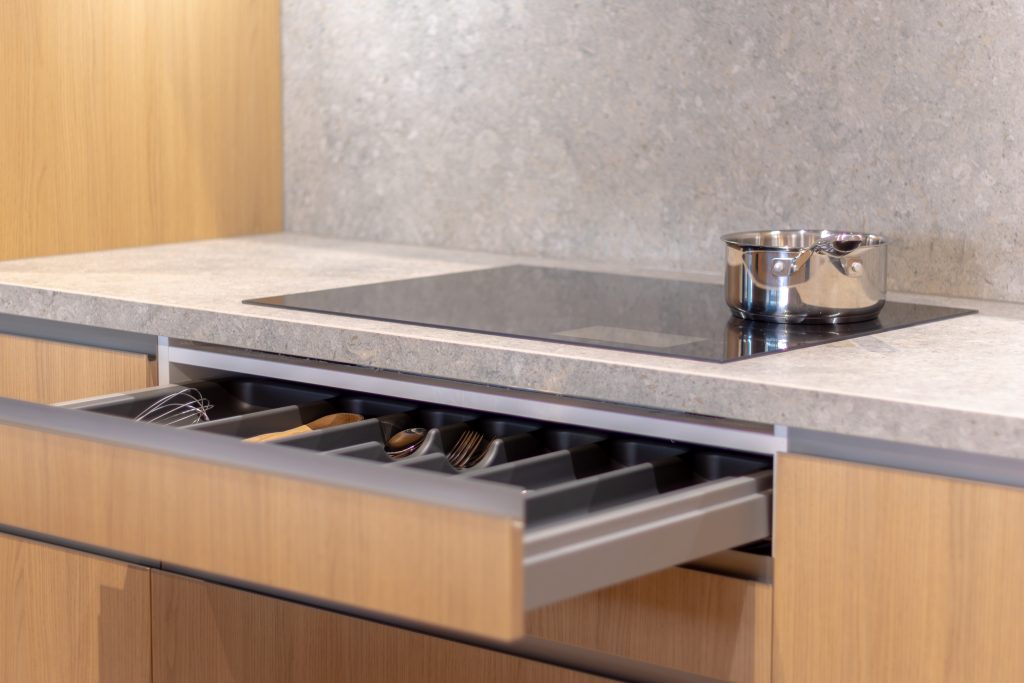
Stone kitchen splashback options bring natural beauty and exceptional durability to your kitchen. A kitchen splashback stone surface can be cut from the same slab as your benchtop, creating a seamless, coordinated look that’s both elegant and practical. Popular choices include granite, marble, and sandstone, each offering unique patterns and colour variations.
Natural stone splashbacks are highly heat-resistant, making them ideal behind cooktops where temperatures can spike. They resist scratches and general wear exceptionally well, maintaining their appearance through years of daily use. The substantial thickness of stone also provides excellent protection for your walls.
Maintenance requirements: Like stone benchtops, stone splashbacks require periodic sealing to maintain their stain resistance and protect against moisture penetration. The sealing process is straightforward but necessary for long-term performance. Clean stone splashbacks with pH-neutral cleaners to preserve the sealant and maintain the stone’s natural lustre.
Mirror Splashbacks
A mirror kitchen splashback creates a dramatic visual impact by reflecting light and views throughout your kitchen. The kitchen splashback mirror treatment makes spaces feel significantly larger and brighter, doubling the perceived depth of your kitchen. This is particularly effective in narrow galley kitchens or compact spaces where creating an illusion of spaciousness is valuable.
Mirror splashbacks work beautifully in kitchens with attractive features worth reflecting, such as pendant lighting, decorative cabinetry, or garden views. Antique or tinted mirror finishes offer sophisticated alternatives to standard mirror, adding character whilst maintaining the space-enhancing benefits.
Practical considerations: Mirrors show water spots, fingerprints, and smudges more readily than other splashback materials, requiring frequent cleaning to maintain their pristine appearance. They’re also more fragile than glass or stone options. However, for those willing to maintain them, mirror splashbacks deliver unmatched visual drama and spatial enhancement.
Tile Splashbacks
Tile splashbacks offer incredible versatility with an extensive range of colours, shapes, sizes, and textures. From classic subway tiles to intricate mosaics, geometric patterns, or handcrafted ceramics, tiles enable personalised design expressions that suit any kitchen style. They’re available at various price points, making beautiful splashbacks accessible across different budgets.
Tiles are relatively DIY-friendly for those with basic tiling skills, potentially reducing installation costs. They’re heat-resistant, durable, and can be replaced individually if damaged. Modern large-format tiles minimise grout lines, reducing maintenance whilst creating contemporary looks.
Maintenance note: Grout lines require regular cleaning and occasional resealing to prevent staining and discolouration. Textured tiles may trap more grease and grime than smooth surfaces, requiring more thorough cleaning. However, their design flexibility and proven performance make tiles enduringly popular.
Kitchen Splashback Ideas
Coordinating with Benchtops and Cabinetry
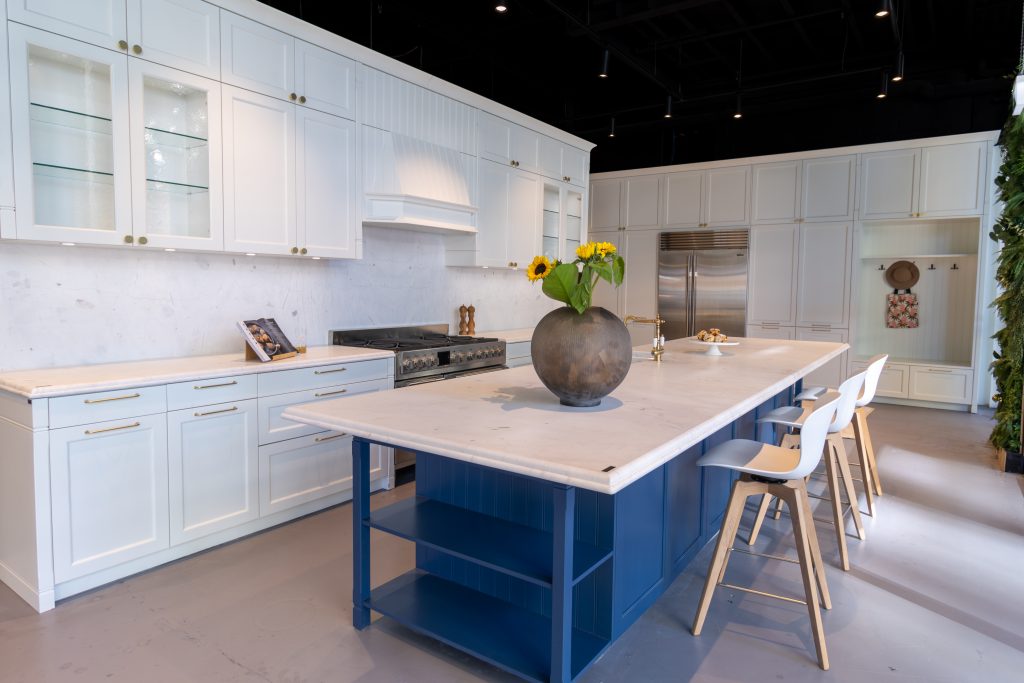
Creating cohesion between your splashback, benchtops, and cabinetry establishes a harmonious kitchen design. Using the same stone for both benchtops and splashbacks creates seamless transitions and sophisticated continuity. Alternatively, choose complementary colours. A neutral splashback can balance bold cabinetry, whilst a coloured glass splashback can tie together various kitchen elements.
Consider the overall colour palette and design style. Contemporary kitchens often feature monochromatic or tonal colour schemes where the splashback subtly enhances rather than dominates. Traditional kitchens might incorporate patterned tiles that reference classic design elements found in cabinetry details.
Statement Splashbacks with Bold Colours and Patterns
Your splashback can serve as the kitchen’s focal point through bold colour choices or striking patterns. A vibrant glass splashback in deep blue, emerald green, or rich burgundy creates instant drama against neutral cabinetry. Patterned tiles arranged in eye-catching configurations transform splashbacks into artistic features.
Metallic finishes like copper, brass, or gold-toned glass add warmth and luxury. Geometric tile patterns or printed glass designs introduce visual interest without overwhelming the space. When creating statement splashbacks, keep surrounding elements relatively neutral to let the splashback shine.
Custom Glass and Mirror Designs
Modern printing technology enables custom imagery on glass splashbacks. Options range from abstract patterns to photographic landscapes, architectural details, or personal photographs. These bespoke designs transform functional surfaces into personal art installations. Custom mirror work, including antiqued or patterned sections, adds unique character.
Digital printing can replicate expensive materials like marble or metallic finishes at lower costs, achieving luxury looks within budget constraints. Consider local scenes, botanical prints, or abstract art that reflects your personal style whilst complementing your kitchen’s overall aesthetic.
Kitchen Splashback Window Integration
A kitchen splashback window brings natural light directly into cooking areas whilst maintaining wall protection around it. The splashback material typically frames the window, creating a practical yet attractive solution. Glass or mirror splashbacks work particularly well with windows, as they reflect additional natural light throughout the space.
When incorporating windows, ensure adequate splashback coverage around the opening, particularly near cooking areas where protection from heat and splashes is essential. Consider how views through the window interact with your splashback material. Mirror might reflect external views attractively, whilst certain colours might complement or clash with outdoor scenery.
Installation and Sizing Considerations
Measuring Accurately
Precise measurements are crucial for a professional-looking splashback installation. Measure the full width of your benchtop and the height from benchtop to overhead cabinets or ceiling, checking measurements at multiple points, as walls aren’t always perfectly straight. Account for any variations in wall flatness that might affect fitting.
For splashbacks behind cooktops, check whether your cooktop requires specific heat-resistant materials or minimum distances from combustible materials. Record the locations and sizes of all power outlets, switches, and other obstacles requiring cut-outs.
Standard Heights and Lengths
Standard splashback heights in Australian kitchens typically range from 450mm to 600mm, providing adequate protection whilst fitting beneath standard overhead cabinets. Behind cooktops, splashbacks often extend higher (up to 900mm or more) to protect walls from heat and cooking splashes.
Length depends on your kitchen layout. Splashbacks might run the full length of one wall or wrap around corners. Consider whether to extend splashbacks behind appliances or end at appliance edges. Full-wall coverage creates a seamless look, whilst stopping at appliances can reduce costs.
Dealing with Obstacles
Power outlets and switches require precise cut-outs. For glass and mirror splashbacks, mark outlet positions carefully during measurement, as glass must be cut before tempering. Stone splashbacks can be cut more flexibly during installation. Consider whether outlets should sit within or outside the splashback area. Some designs incorporate outlets within the splashback surface, whilst others position them above.
Extractor fans and rangehoods require careful integration. Measure mounting points and ventilation ducting to ensure splashback installation doesn’t interfere with appliance function. Some splashbacks install around appliances, whilst others incorporate cut-outs.
Expansion Gaps and Joint Maintenance
Allow small expansion gaps (typically 2 to 3mm) between splashbacks and benchtops to accommodate material movement from temperature changes. Seal these gaps with flexible, colour-matched silicone that moves with materials rather than rigid grout that might crack.
Inspect and maintain sealed joints periodically. Discoloured or cracked silicone should be removed and replaced to maintain both appearance and water resistance. For tiled splashbacks, reseal grout lines annually to prevent staining and moisture penetration.
Comparison Table: Kitchen Splashback Materials
| Material | Features | Benefits | Considerations |
| Glass | Enlarges space visually, brightensthe room | Easy clean, modern look, enhances light | Scratch-prone, professional install |
| Mirror | Highly reflective surface | Enlarges space visually, brightens room | Shows smudges, fragile |
| Natural Stone | Granite, sandstone, marble | Durable, heat & scratch resistant | Requires sealing, heavier |
| Engineered Stone | Quartz composite | Low maintenance, stain-resistant | Sensitive to heat |
| Tile | Wide range of colours, shapes, textures | Versatile, DIY-friendly | Grout maintenance |
| Stainless Steel | Industrial look, heat-resistant | Hygienic, easy to clean | Visible fingerprints and scratches |
Making Your Choice
Selecting the perfect kitchen splashback involves considering your practical needs, design preferences, and maintenance commitment. Glass splashbacks suit contemporary kitchens where easy cleaning and light reflection are priorities. Stone options work beautifully when matching benchtops for cohesive luxury looks. Mirror splashbacks excel in smaller kitchens requiring spatial enhancement, whilst tiles offer unmatched design flexibility across all styles and budgets.
Consider your cooking style when choosing materials. Frequent cooks who generate significant heat and splashes benefit from highly durable, heat-resistant options like stone or stainless steel. Those seeking low-maintenance solutions appreciate glass’s easy-clean properties. If design flexibility matters most, explore kitchen splashback ideas Australia-wide through tiles or custom glass printing.
Your kitchen splashback should complement your overall design whilst providing practical protection that stands up to daily use. Whether you choose sleek glass, natural stone, reflective mirror, or versatile tiles, quality materials properly installed will protect your walls beautifully whilst enhancing your kitchen’s appeal for years to come.