Appliances in the Kitchen
The right appliances turn your kitchen from a basic food preparation area into a space that makes cooking genuinely easier and more enjoyable. From essential large appliances that anchor your kitchen’s functionality to smaller tools that expand what you can create, each piece of equipment plays a role in how efficiently your household operates.
Understanding which appliances in the kitchen deserve investment, which suit your cooking style, and how to balance functionality with available space helps you build a collection that actually gets used rather than gathering dust in cupboards.
Why Appliances Matter in the Kitchen
Transforming how you cook, clean and entertain
Modern appliances fundamentally change kitchen capabilities:
- Dishwashers eliminate hours of handwashing each week
- Efficient ovens deliver consistent results that basic models can’t match
- Quality refrigerators keep food fresher longer, reducing waste and shopping frequency
These improvements compound over time. What seems like small conveniences daily add up to significantly more time, less frustration, and better results. Appliances also expand what’s possible in your kitchen, whether that’s baking bread with a stand mixer, creating restaurant-quality coffee at home, or preparing healthy air-fried meals without excess oil.
Speed, precision and enjoyment
Good appliances deliver three key benefits:
Speed:
- A powerful blender smooths ingredients in seconds rather than minutes
- An induction cooktop boils water faster than gas or electric alternatives
- A microwave reheats leftovers without waiting for the oven to preheat
These time savings matter when juggling work, family commitments, and the daily requirement to feed everyone.
Precision:
- Temperature-controlled ovens bake evenly without hot spots
- Digital rice cookers adjust heat throughout cooking for perfect results
- Programmable coffee machines extract at optimal temperatures
This consistency means recipes work reliably, and you’re not guessing whether things are done.
Enjoyment: Using quality tools simply feels better. Appliances that work smoothly, clean easily, and produce good results reduce cooking frustration. When your equipment performs well, you’re more likely to actually cook rather than order takeaway because the kitchen feels like hard work.
Choosing appliances thoughtfully
Select based on real needs rather than trends:
Lifestyle match: A family of five needs a large-capacity dishwasher and a full-sized refrigerator. A couple who rarely cook might prioritise a quality coffee machine and microwave over a premium oven. Consider who uses your kitchen and what you actually prepare regularly.
Space constraints: Small kitchens require careful choices. A portable induction cooktop might suit you better than a full cooktop if you rarely use all burners. Compact appliances or multi-functional tools that serve several purposes maximise limited benchtop and cupboard space.
Budget priorities: Not every appliance needs a premium investment. Spend more on items you use daily, like refrigerators, ovens, and dishwashers. Save on occasional-use appliances like waffle makers or specialty gadgets. Quality matters, but matching expense to usage frequency makes sense.
Essential Must-Have Kitchen Appliances
These core appliances form the foundation of a functional kitchen. Most homes need all of these, though specific models depend on your household size and cooking habits.
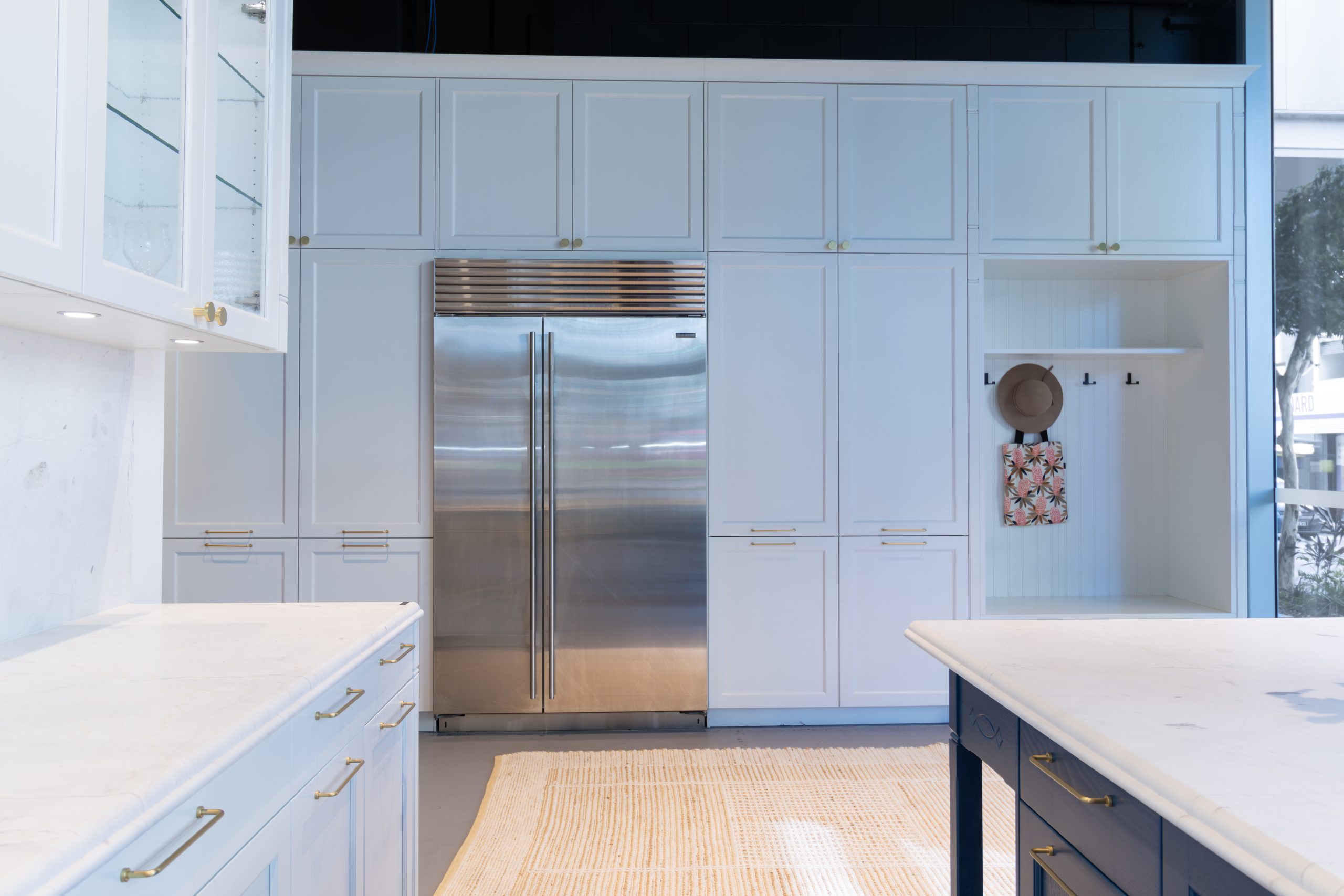
Refrigerator
The single most important appliance in the kitchen, running 24/7 to keep food safe. Size matters significantly.
Capacity guide:
- A couple typically needs 300-400 litres
- Families of four require 450-550 litres
- Households of five or more should consider 600+ litres
Configuration options:
- Top-mount freezers: Cost less and use less energy
- Bottom-mount freezers: Put fresh food at eye level
- French door models: Offer wide fridge access with a bottom freezer
- Side-by-side: Easy access to both sections, but narrower shelf widths
Key features:
- Adjustable shelving accommodates various container sizes
- Humidity-controlled crispers keep vegetables fresh longer
- Door storage for bottles and condiments maximises internal space
- Ice and water dispensers add convenience but reduce freezer capacity
Microwave oven
Fast reheating, defrosting, and simple cooking make microwaves essential for busy households. They’re particularly valuable for families with varying schedules where not everyone eats simultaneously.
Size considerations:
- Compact models (20-25 litres): Suit small spaces and light use
- Mid-size options (25-32 litres): Handle family needs
- Large capacity (32+ litres): Accommodate bigger dishes and serving platters
Power matters: Higher wattage (900-1200W) heats faster and more evenly. Lower wattage units cost less but take longer. For frequent use, invest in adequate power to avoid frustratingly slow heating.
Placement options:
- Benchtop models: Flexible but consume counter space
- Built-in microwaves: Integrate with cabinetry for cleaner aesthetics
- Over-range microwaves: Save space but suit specific kitchen layouts only
Gas or electric stove
Your cooktop choice affects cooking control, running costs, and kitchen ventilation requirements.
Gas cooktops:
- Provide instant heat control with a visible flame
- Work during power outages
- Preferred by many experienced cooks for responsive temperature adjustment
- Require proper ventilation and gas connection
- More complex to clean around burner grates
Electric cooktops:
- Smooth ceramic surfaces clean easily
- No gas connection needed
- Even heat distribution
- Slower temperature response than gas
- Retain heat after turning off (can be used for gentle warming)
Size and burner layout: Standard 600mm width suits most kitchens. 900mm models provide five or six burners for serious cooks. Consider burner placement relative to your usual pot sizes and cooking style.
Portable induction cooktop
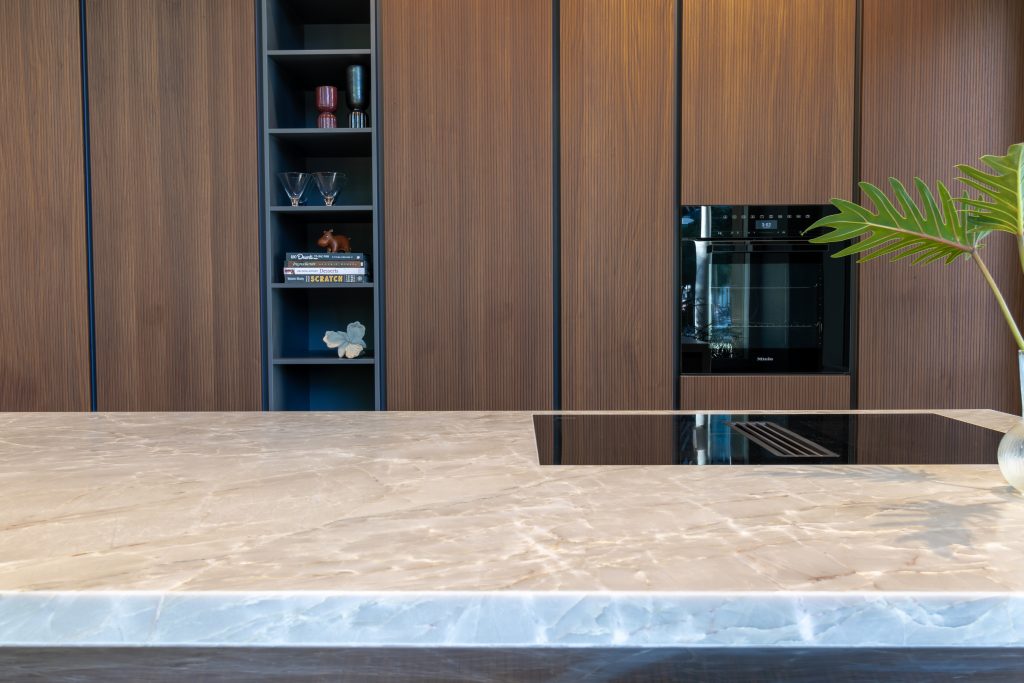
These compact units heat cookware directly through electromagnetic fields, offering unique advantages. They work as primary cooking surfaces in small kitchens or supplement existing cooktops when you need extra burners.
Benefits:
- Heat only the cookware, not the surrounding surface
- Extremely fast boiling and precise temperature control
- Energy efficient as minimal heat escapes
- Cool surrounding areas make them safer around children
Requirements: Only work with magnetic cookware (cast iron, stainless steel with magnetic base). Test existing pots with a magnet before purchasing. Aluminium and copper cookware won’t function unless they have magnetic bases.
Portability advantages:
- Store when not needed, freeing benchtop space
- Take outdoors for entertaining
- Use in rental properties without permanent installation
- Ideal for small apartments or students
Oven
Whether built-in, freestanding, or part of a stove, ovens handle baking, roasting, and many cooking tasks that cooktops can’t manage.
Types and features:
- Conventional ovens: Use elements top and bottom
- Fan-forced models: Circulate air for even cooking and faster results
- Multifunction ovens: Combine several heating methods for versatility
- Steam functions: Add moisture for specific recipes
Capacity needs:
- Compact (40-50 litres): Suit small households and limited space
- Standard (60-75 litres): Handle family cooking and entertaining
- Large (75+ litres): Accommodate multiple dishes or oversized roasting pans
Self-cleaning options:
- Pyrolytic cleaning: Burns residue to ash you simply wipe away
- Catalytic liners: Absorb grease during normal cooking
- Standard enamel: Requires manual cleaning but costs significantly less
Dishwasher
Often considered optional, dishwashers significantly improve kitchen hygiene and free up substantial time. They also use less water than handwashing for full loads.
Size options:
- Full-size (60cm wide): Suit families, handling 12-16 place settings
- Slimline (45cm wide): Fit smaller kitchens, managing 8-10 place settings
- Compact benchtop: Work in tiny spaces but require frequent running
Performance factors:
- Multiple spray arms clean more effectively
- Adjustable racks accommodate various dish sizes
- Third cutlery drawers separate utensils from dishes
- Noise levels matter in open-plan homes (check decibel ratings)
Energy and water efficiency: Look for high energy star ratings to minimise running costs. Eco modes use less water and power but take longer. Modern dishwashers are remarkably efficient, often using just 10-15 litres per cycle.
Toaster
This simple appliance remains essential for quick breakfasts and snacks. While basic in function, quality differences affect daily experience.
Slot configurations:
- Two-slice toasters: Suit individuals or couples
- Four-slice models: Handle family breakfasts efficiently
- Long-slot versions: Accommodate artisan bread or multiple standard slices
Useful features:
- Variable browning controls for preferred toast darkness
- Defrost settings work with frozen bread
- Lift-and-look features check progress without cancelling
- Wide slots fit thick bread, bagels, or crumpets
Small Appliances and Multi-Taskers
These versatile tools expand your kitchen capabilities without requiring major space or investment. Choose based on what you’ll actually use regularly rather than accumulating every possible gadget.
Blender
Ideal for smoothies, soups, sauces, and crushing ice. Blenders work best with liquids or soft ingredients that need complete breaking down.
Jug blenders:
- Large capacity handles multiple servings
- Powerful motors blend tough ingredients
- Glass jugs: Durable but heavy
- Plastic jugs: Lighter but can scratch and retain odours
- Stainless steel: Durable but you can’t see contents
Power requirements:
- 300-500W: Suits basic smoothies and soft foods
- 600-1000W: Blends frozen fruit and ice
- 1000W+: Creates nut butters and handles tough ingredients
Higher power generally means smoother results and longer motor life.
Hand blender
Also called stick or immersion blenders, these handheld tools blend directly in pots, bowls, or jugs. They’re excellent for soups, purees, and small quantities where a full blender is overkill.
Advantages:
- Less cleaning than jug blenders
- Store easily in drawers
- Blend hot soups directly in the pot
- Process small amounts efficiently
- Many include attachments for whisking or chopping
Limitations:
- Can’t crush ice effectively
- Not ideal for large quantities
- Require deeper containers to prevent splashing
- Less powerful than full-size blenders for tough ingredients
Coffee machine
For many households, quality coffee at home eliminates expensive café visits while providing better morning routines.
Drip coffee makers:
- Brew multiple cups, keeping them warm
- Simple operation and easy cleaning
- Best for households who drink several cups throughout the morning
Espresso machines:
- Create café-style coffee including espresso, cappuccinos, and lattes
- Manual machines: Require technique but give control
- Automatic models: Simplify the process
- Capsule systems: Offer convenience with less equipment knowledge needed
Choosing wisely: Consider how many coffees you drink daily and what styles you prefer. Capsule systems have ongoing costs for pods. Manual machines need technique development. Drip makers suit straightforward black coffee drinkers.
Food processor
These workhorses slice, dice, shred, and process ingredients far faster than manual methods. They’re particularly valuable for regular cooking from scratch.
Capacity and power:
- Small (3-5 cups): Handle sauces, dips, and small prep jobs
- Mid-size (7-9 cups): Suit most families
- Large (11+ cups): Manage big batches and dinner party preparation
Attachments and functions:
- Slicing discs with thickness adjustment
- Shredding discs for vegetables and cheese
- Dough blades for pastry and bread
- Mini bowls for small quantities
- Julienne attachments for specific cuts
Kettle
Essential for tea, instant coffee, and speeding up cooking tasks requiring boiling water. Electric kettles heat faster and more efficiently than stovetop versions.
Capacity choices: Small kettles (1-1.2 litres) suit individuals. Standard sizes (1.5-1.7 litres) handle most households. Large kettles (2+ litres) work for big families or frequent entertaining.
Temperature control: Variable temperature kettles suit different teas and coffee brewing methods. Green tea requires cooler water than black tea. Some coffee preparation benefits from precise temperature control.
Appliances for Healthy, Creative & Efficient Cooking
These specialised appliances support specific cooking goals, from healthier meal preparation to expanding your culinary repertoire.
Rice cooker
While rice cooks on stovetops, dedicated cookers deliver foolproof results with minimal attention. They’re essential for households eating rice regularly.
How they work: Automatic temperature sensors detect when water is absorbed, switching to warm mode. This prevents burning and ensures consistent texture. No watching, stirring, or timing required.
Size guide:
- Small (3-5 cups uncooked): Suit couples
- Medium (5-10 cups): Handle families
- Large (10+ cups): Work for big households or entertaining
Beyond rice:
- Many cook quinoa, oats, and other grains
- Some include steamer baskets for vegetables or dumplings
- Slow-cook functions expand versatility for soups and stews
Air fryer
These popular appliances circulate hot air to create crispy results with minimal oil. They’re faster than ovens and use less energy for small quantities.
Health benefits:
- Achieve fried textures using 70-80% less oil than deep frying
- Reduce fat content in favourite foods
- Make healthier versions of chips, chicken, and other typically fried items
Capacity considerations:
- Small (2-3 litres): Suit singles or couples
- Medium (4-6 litres): Handle small families
- Large (7+ litres): Accommodate bigger households or full meal preparation
Versatility:
- Beyond frying, they roast vegetables and bake small quantities
- Reheat food crisply (better than microwaves for texture)
- Some include rotisserie functions or multiple cooking drawers
Waffle maker
Primarily for weekend breakfasts and special occasions, waffle makers create restaurant-quality results at home. They’re not essential but beloved by families who enjoy weekend cooking together.
Types available:
- Traditional round: Create classic waffle shapes
- Belgian waffle makers: Produce thicker, fluffier waffles with deeper pockets
- Specialty shapes: Hearts, characters, or other fun designs kids enjoy
Features to consider:
- Non-stick plates for easy release and cleaning
- Temperature control for customised browning
- Indicator lights showing when heated and when waffles are ready
- Removable plates simplify cleaning
Stand mixer
Serious bakers and regular home cooks benefit enormously from stand mixers. They free your hands while handling heavy mixing that would exhaust you manually.
Core functions:
- Mixing dough for bread, pasta, and pizza
- Beating egg whites to stiff peaks
- Creaming butter and sugar for cakes
- Kneading heavy doughs that would strain handheld mixers
Capacity and power:
- Small (4-5 litres): Suit occasional baking
- Mid-size (5-6 litres): Handle regular home baking
- Large (6+ litres): Manage big batches and heavy doughs
- Motor power (300-600W): Determines what the mixer can handle
Attachments expand use:
- Food grinder attachments for meat
- Pasta rollers and cutters
- Vegetable spiralizers
- Ice cream makers
These accessories turn stand mixers into versatile kitchen workhorses.
Building Your Appliance Collection
Start with essential large appliances that form your kitchen’s core functionality. Add small appliances based on your cooking style and what you’ll genuinely use regularly. Quality matters more than quantity, so invest in well-made items for frequent-use appliances and save on occasional tools.
Your perfect appliance collection looks different from everyone else’s. Match purchases to how you actually cook rather than aspirational cooking you imagine but don’t do. The best appliances in the kitchen are the ones you use.