Kitchen Lighting Ideas to Brighten Your Space
Good lighting can completely transform how your kitchen looks and functions. It’s not just about being able to see what you’re doing. The right kitchen light idea can make your space feel more inviting, help you work more efficiently, and even make your kitchen safer to use. Whether you’re chopping vegetables, entertaining friends, or just grabbing a late-night snack, having the right lighting in the right places makes all the difference.
In this guide, we’ll walk you through practical kitchen lighting ideas that cover different lighting layers and kitchen zones. The secret to great kitchen lighting? It’s all about combining multiple types of lights to create a space that’s both functional and beautiful.
Understanding the Three Types of Kitchen Lighting
Before exploring specific ideas, it’s helpful to understand the three primary types of kitchen lighting. Think of them as layers that work together to create the perfect lighting scheme.
Task Lighting
Task lighting is exactly what it sounds like. It’s lighting that helps you complete specific tasks. In the kitchen, this means having bright, focused light where you need it most.
The most effective task lighting options include:
- Under-cabinet lights for illuminating benchtop work areas – LED
- Pendant lights above kitchen islands and breakfast bars
- Recessed downlights positioned over cooktops and sinks – LED
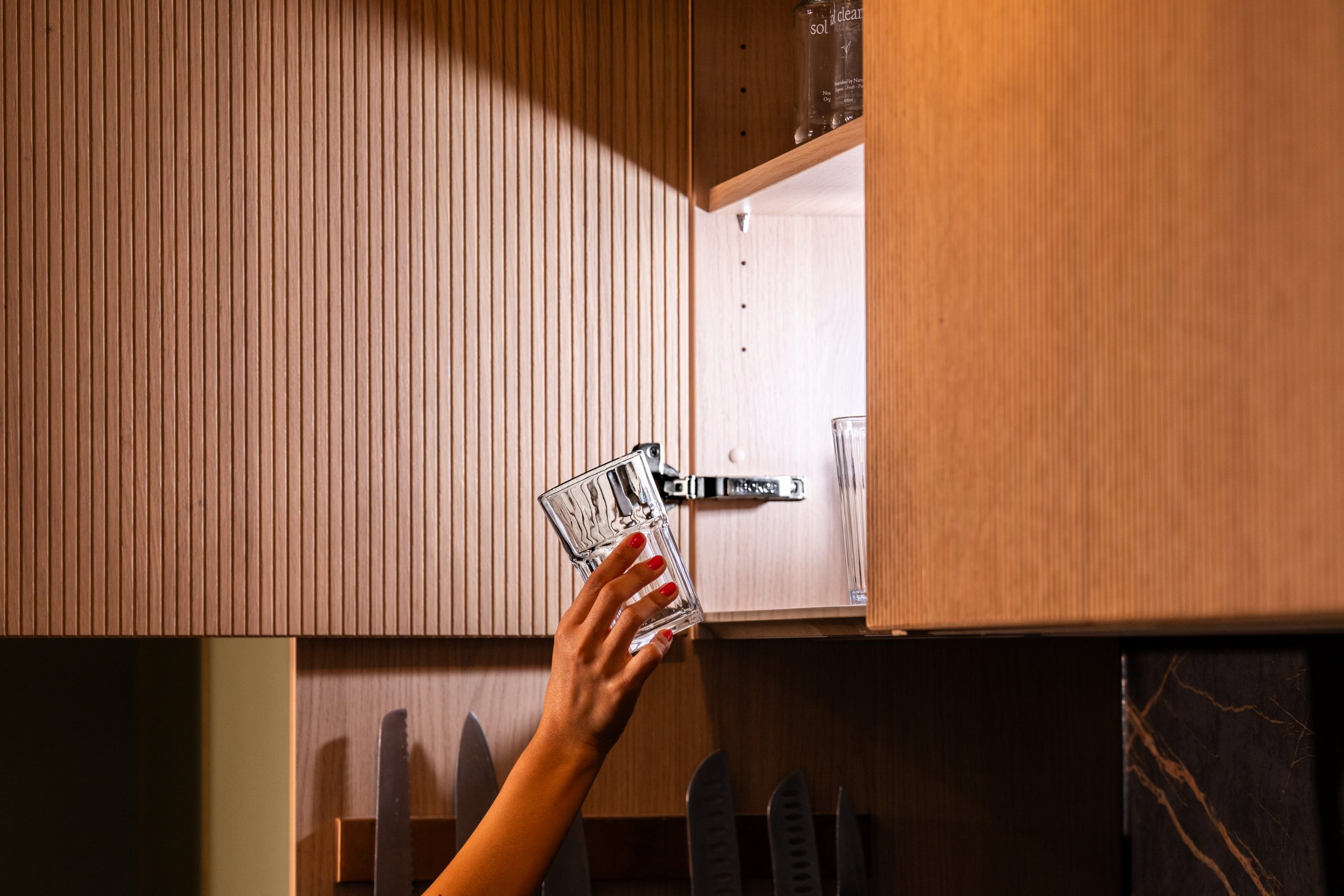
- Internal drawer lighting
The key with task lighting is positioning. You want the light to shine directly on your work surface without creating shadows. If you’re standing at the benchtop and your own shadow is blocking the light, you’ve got a positioning problem that needs fixing.
Ambient Lighting
Ambient lighting provides the overall illumination for your kitchen. It’s the general light that fills the room and sets the baseline brightness. Ceiling-mounted fixtures and recessed lights are the most common choices here. The amount of ambient light you need depends on your kitchen’s size and how much natural light it gets during the day.
Dimmable options are worth considering for ambient lighting. They give you flexibility to adjust the mood depending on the time of day or what you’re doing. And don’t forget to work with your natural light sources. If you’ve got windows or skylights, your ambient lighting should complement them rather than compete.
Accent Lighting
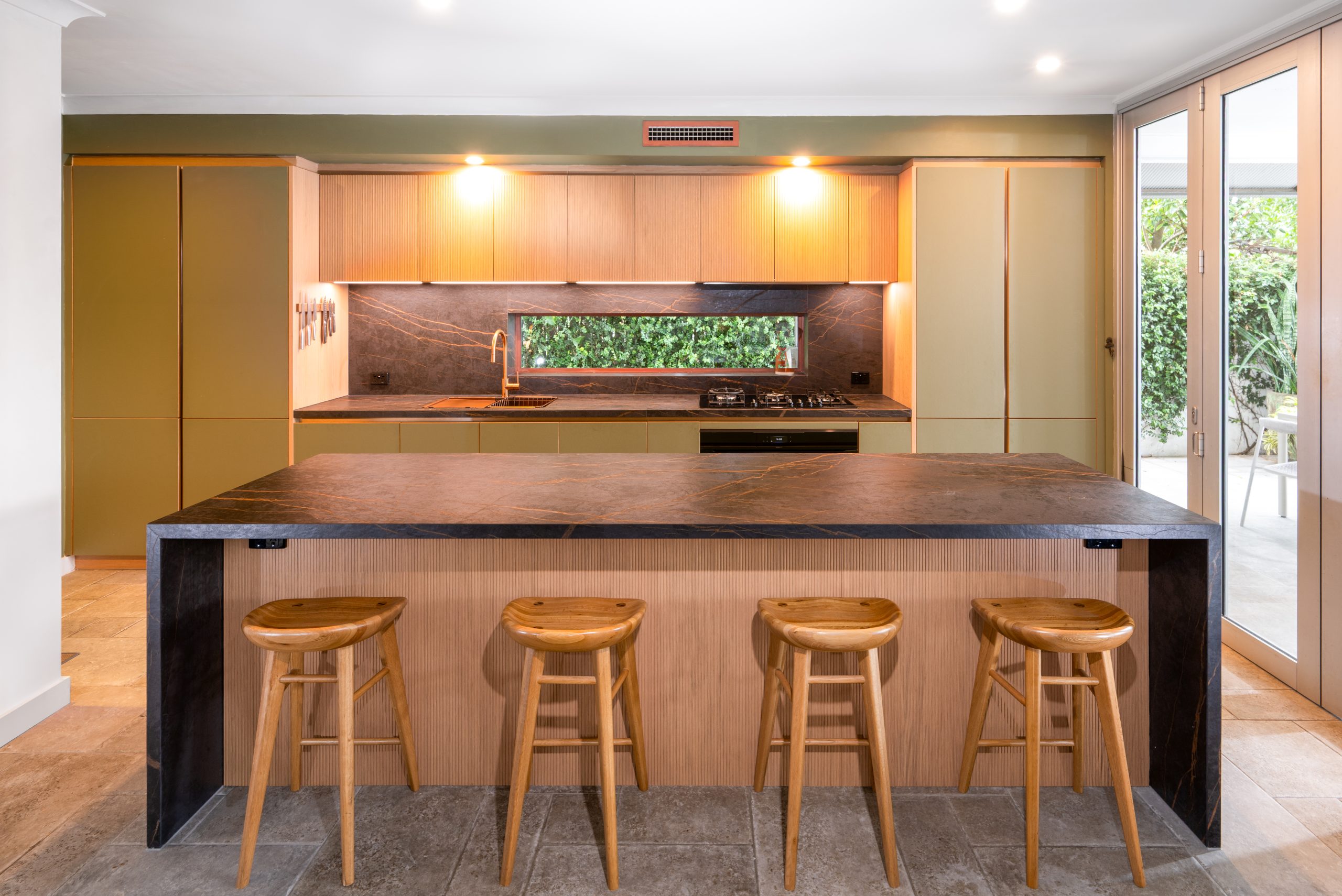
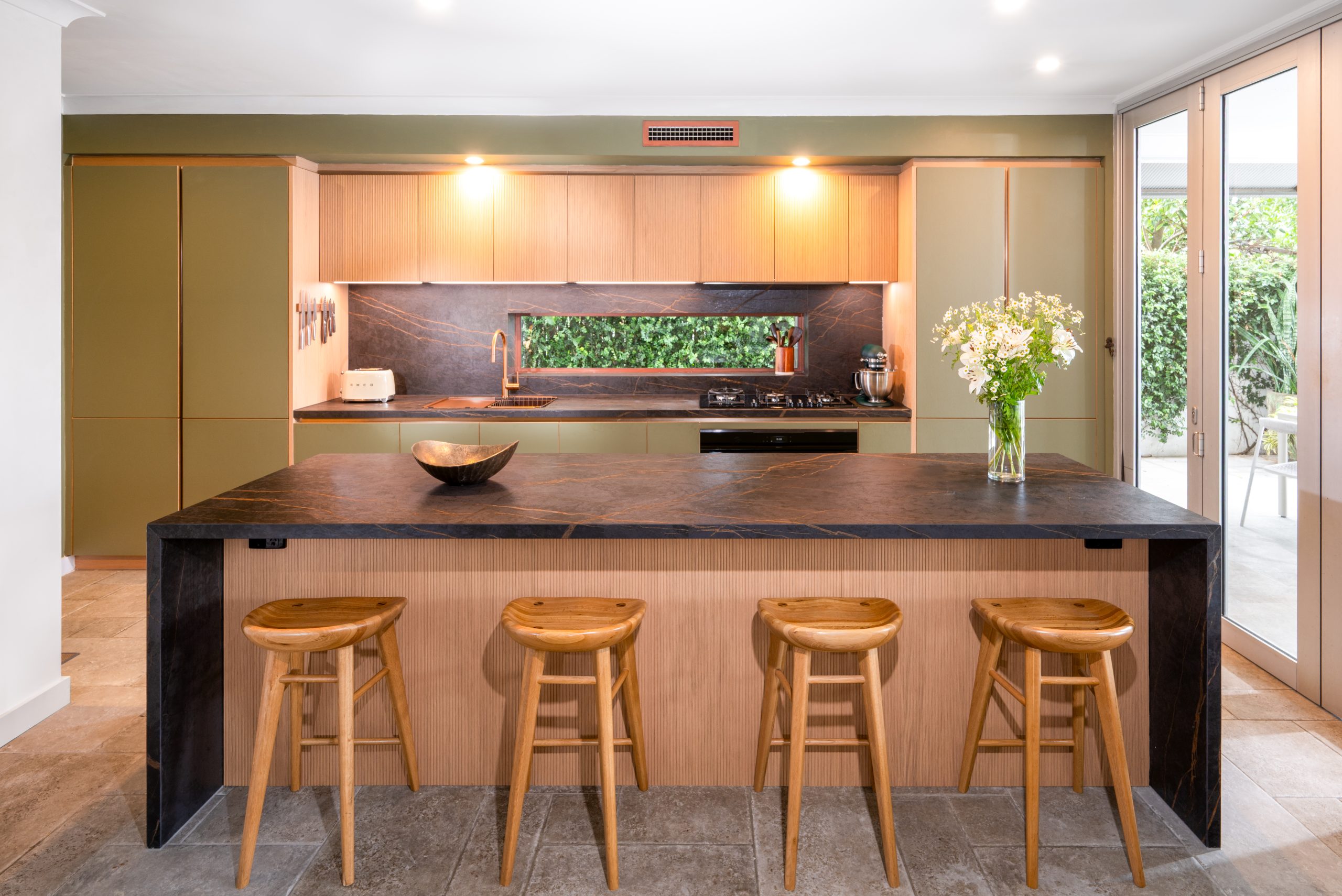
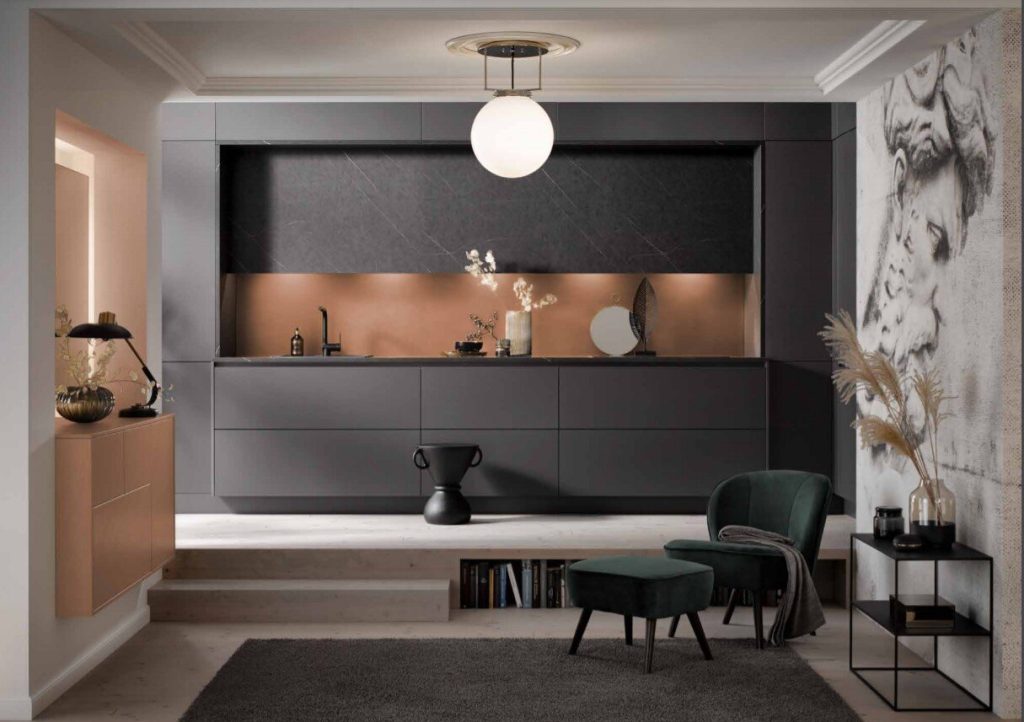
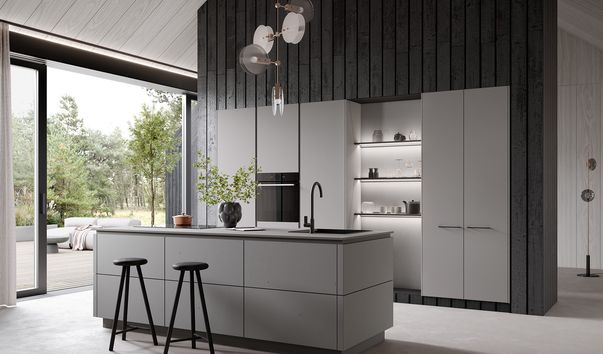
Accent lighting adds depth, interest, and a bit of personality to your kitchen. LED strip lights tucked into open shelving or glass cabinets can showcase your favourite dishes or glassware. Toe-kick lighting underneath your base cabinets creates a modern, floating effect. Feature pendants can serve double duty as both task lighting and a design statement, while spotlights can highlight architectural details or display areas.
Think of accent lighting as the finishing touch that takes your kitchen from purely functional to genuinely special.
Lighting Ideas for Different Kitchen Zones
Island and Breakfast Bar Lighting
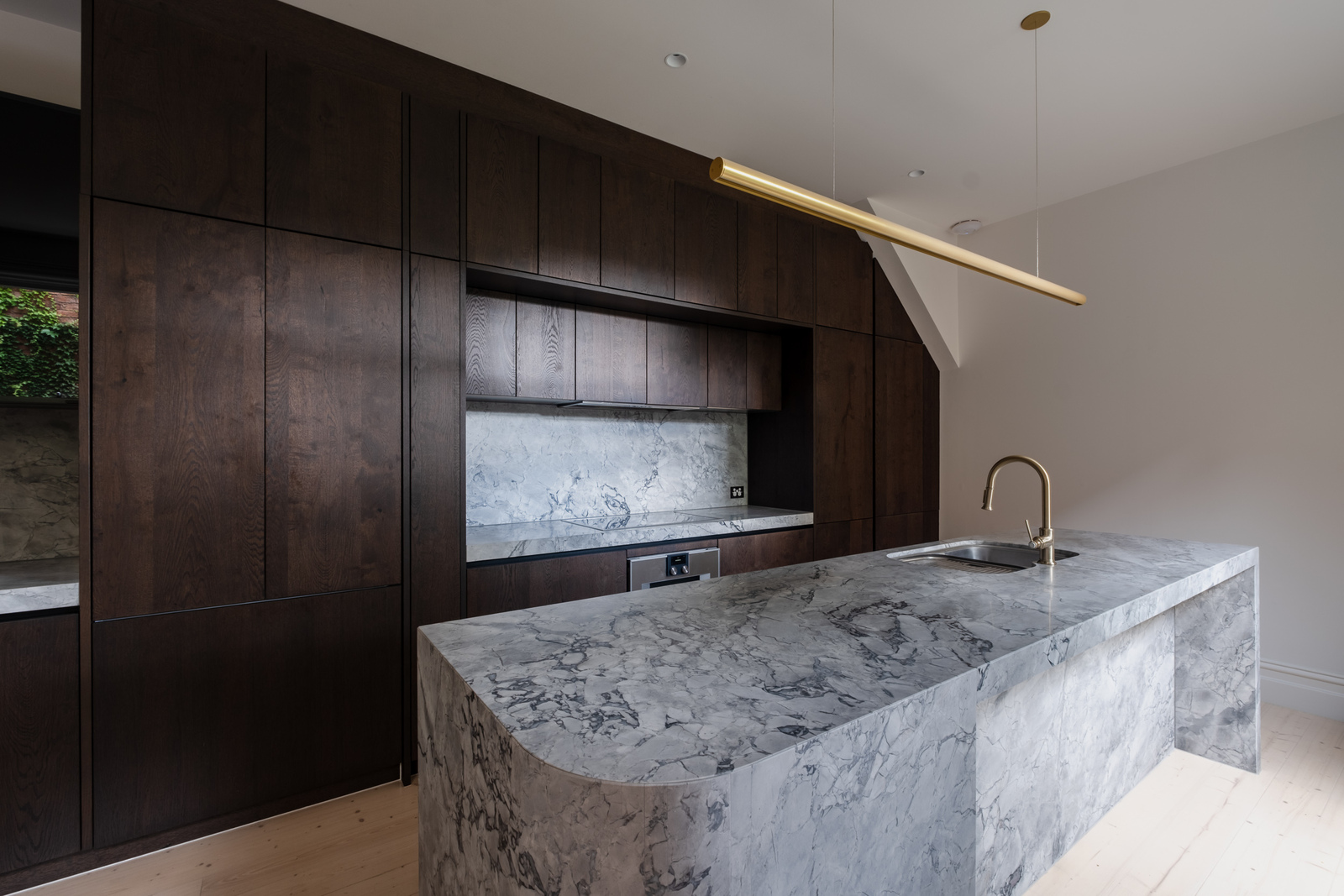
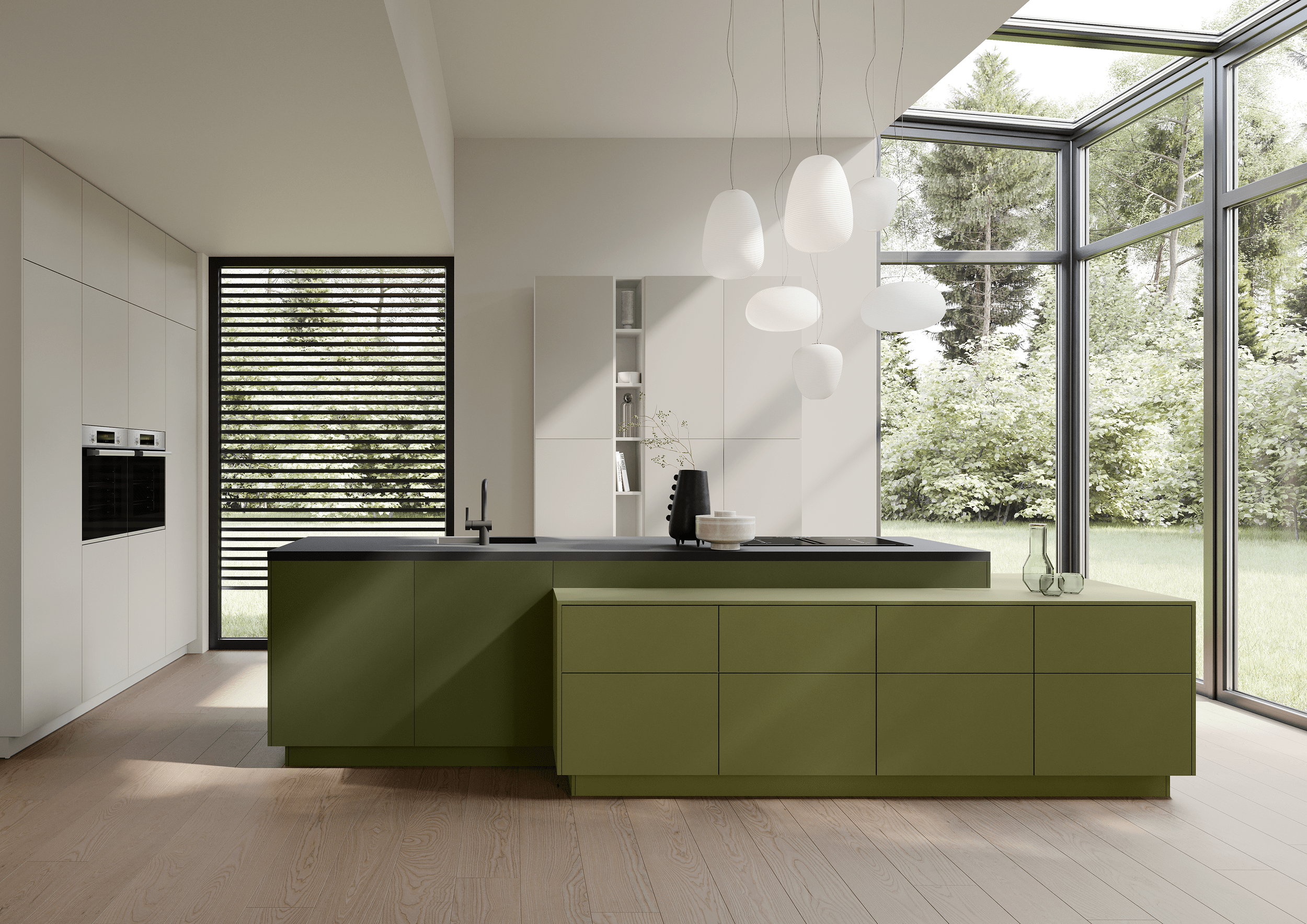
Your kitchen island deserves special attention when it comes to lighting. Pendant lights are the go-to choice here, and you’ve got plenty of styles to choose from. Industrial metal shades bring an edgy look, sleek minimalist designs keep things simple, or bold statement pieces can become a focal point in your space.
Here are some practical guidelines for island lighting:
- Number of pendants: Use one pendant for every 60-70cm of island length
- Spacing: Distribute them evenly across the island
- Hanging height: Aim for 75-85cm above the benchtop
This height keeps the light at eye level when you’re standing but doesn’t obstruct the view when you’re sitting. Linear lights are another option if you prefer a more streamlined look over multiple pendants.
Benchtop and Food Prep Areas
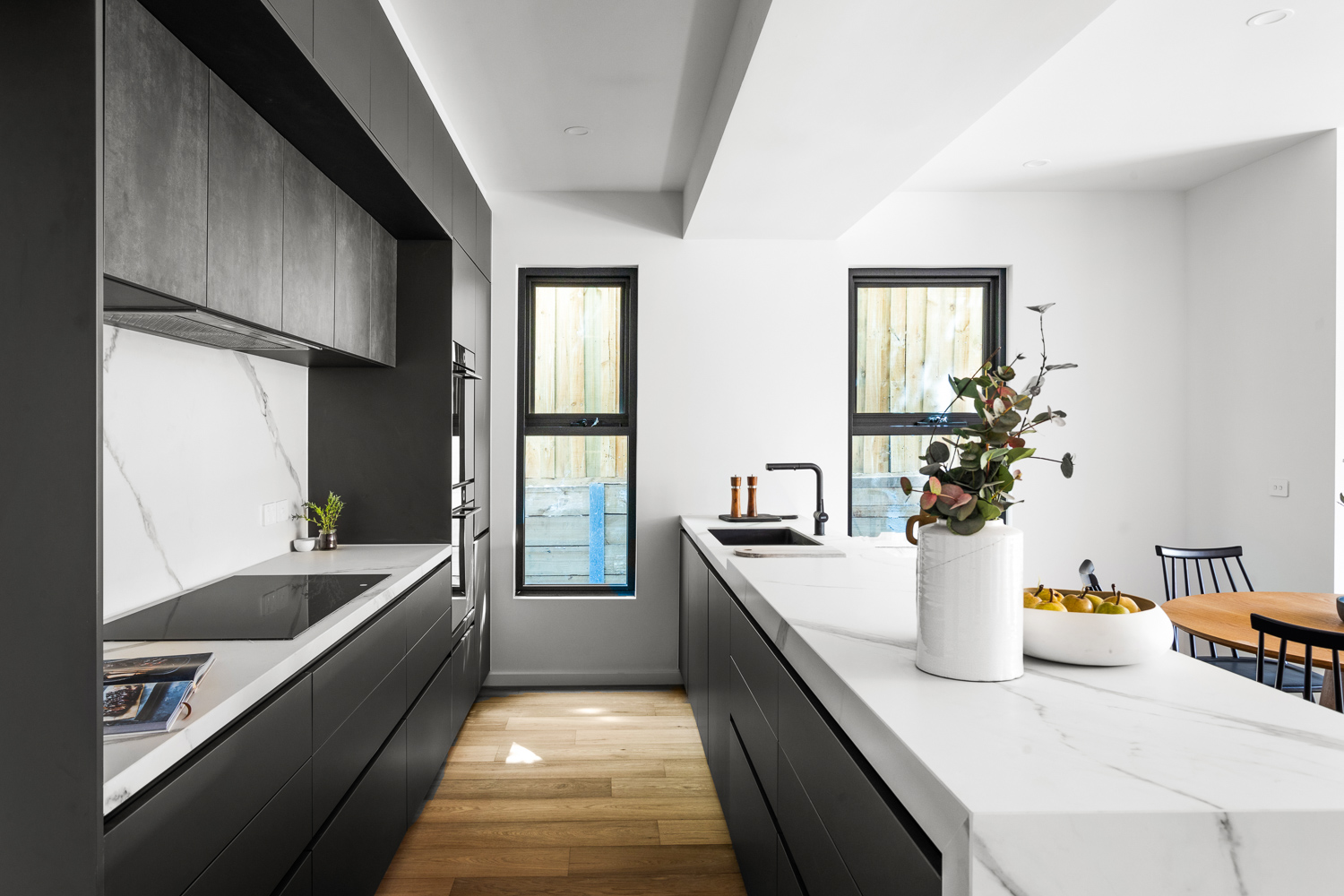
Under-cabinet lighting is one of the best investments you can make for your kitchen. LED strips are particularly popular because they’re easy to install and provide even, consistent light across your entire benchtop. Puck lights and linear bars also work well, depending on your preference and budget.
For food preparation, most people prefer cool white light (around 4000-5000K) because it helps you see true colours and detail. However, if you find cool white too harsh, warm white (2700-3000K) creates a cosier feel. The trick is positioning the lights at the front of the cabinet, not the back, so you’re not working in your own shadow.
Overhead and Ceiling Lighting
Recessed downlights remain incredibly popular for kitchen ceiling lights, and for good reason. They provide clean, even illumination without taking up visual space. The layout matters though. You’ll want to space them evenly in a grid pattern, typically about 1.2-1.5 metres apart, to avoid dark spots.
Track lighting offers more flexibility if you want to adjust where the light falls. Semi-flush and flush-mount fixtures work well in kitchens with lower ceilings, providing good ambient light without hanging down too far.
Popular Kitchen Lighting Styles
Modern and Minimalist
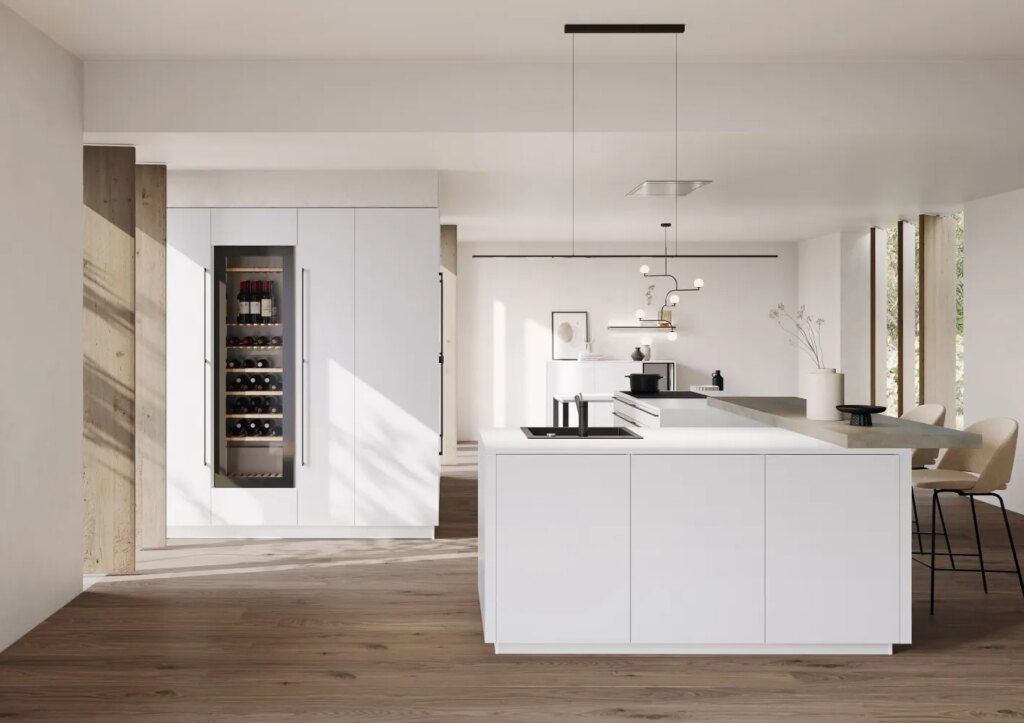
If you’re drawn to clean, uncluttered spaces, modern kitchen lighting is all about sleek pendant designs with simple shapes and minimal decoration. Recessed and concealed lighting options keep things streamlined, while fixtures with clean lines and simple forms complement contemporary cabinetry beautifully.
Industrial and Contemporary
Industrial-style lighting has staying power because it works with so many kitchen designs. Exposed bulb pendants bring authenticity, while metal finishes in black, brass, or copper add warmth. Track and cage-style fixtures create that warehouse-chic vibe. These fixtures often make great statement pieces while still being practical.
Classic and Traditional
For kitchens with more traditional styling, there are several timeless options to consider. Chandeliers over islands add a touch of elegance, glass globe pendants feel classic without being fussy, and fixtures with warm metal finishes like antique brass or oil-rubbed bronze bring character without feeling overly formal.
Practical Lighting Considerations
Choosing the Right Colour Temperature
Light colour temperature can dramatically affect how your kitchen feels. The measurement is in Kelvin (K), and here’s what works best for different areas:
- Warm white (2700-3000K): Creates a cosy, inviting atmosphere for ambient lighting
- Cool white (4000-5000K): Better for task areas where you need to see detail clearly
Don’t feel locked into one temperature throughout your kitchen. Many people mix warm ambient lighting with cooler task lighting to get the best of both worlds.
Energy Efficiency and LED Options
LED kitchen lights have become the standard, and it’s easy to see why. They last years longer than traditional bulbs, use a fraction of the energy, and generate very little heat. This is a real bonus when you’re already cooking up a storm. Modern LEDs also work with dimmer switches and smart lighting systems, giving you complete control over brightness and sometimes even colour temperature.
While LED fixtures might cost more upfront, they pay for themselves through lower energy bills and replacement costs over time.
Installation and Electrical Requirements
Some lighting projects are DIY-friendly. Installing under-cabinet LED strips that plug in is something most homeowners can handle. But other projects require a licensed electrician. Anything that involves new wiring, ceiling fixtures, or modifications to your electrical system needs professional installation. It’s not just about following regulations. It’s about safety.
If you’re renovating, plan your kitchen lighting design early so your electrician can position outlets and switches optimally. Adding lights to an existing kitchen is definitely possible, but it’s easier and more cost-effective to get it right during the renovation phase.
Budget-Friendly Lighting Ideas
Great kitchen lighting doesn’t have to break the bank. Affordable pendant options from major retailers can look surprisingly good, especially for secondary lighting spots. DIY-friendly under-cabinet LED strips are relatively inexpensive and make a huge difference to functionality.
Think strategically about where to invest your budget:
- Splurge on main island pendants since they’re a focal point
- Save on recessed downlights with more basic models
- Prioritise lights you’ll use most often
- Focus on fixtures with the biggest visual impact
Common Kitchen Lighting Mistakes to Avoid
One of the biggest mistakes is relying on a single overhead light to illuminate the entire kitchen. This creates shadows everywhere and makes detailed work difficult. Similarly, many kitchens have insufficient task lighting over work areas. It’s a problem you won’t fully appreciate until you’re trying to chop onions in dim light.
Don’t neglect dimmer switches, especially for ambient and accent lighting. They’re relatively inexpensive to install but add tremendous flexibility. Watch your pendant height over islands too. Hang them too low and they’re in the way. Too high and they don’t provide enough focused light.
Finally, think about how your artificial lighting works with natural light. Windows and skylights are assets, not problems to overcome with more fixtures.
Conclusion
Creating a well-lit kitchen comes down to layering different types of lighting throughout your space. Task lighting ensures you can work safely and efficiently, ambient lighting sets the overall mood, and accent lighting adds personality and visual interest. When these elements work together, you get a kitchen that’s not only practical but genuinely enjoyable to spend time in.
The best kitchen light ideas combine multiple styles and types to suit your specific needs and preferences. Whether you’re preparing weeknight dinners or hosting weekend gatherings, good lighting enhances both everyday tasks and special occasions. If you’re planning a complex lighting scheme, consider consulting with a lighting specialist or kitchen designer. They can help you avoid costly mistakes and create a lighting plan that truly works for your space.