
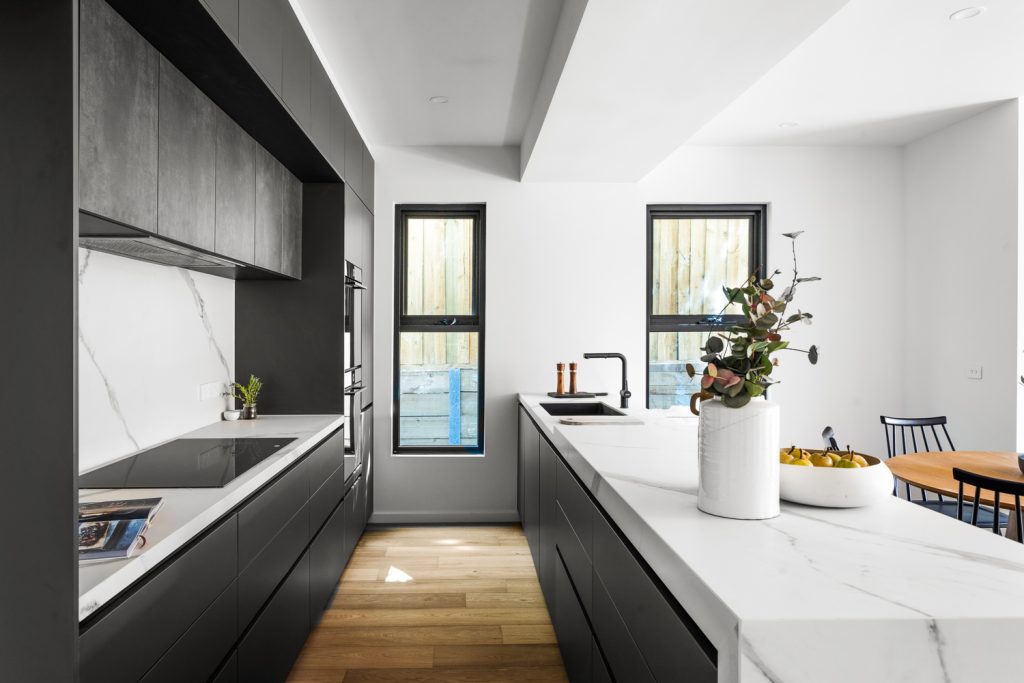
Grey Kitchen Ideas: Timeless Designs for Every Home
Grey has earned its place as one of the most enduring kitchen colours, and for good reason. Whether you lean towards soft…
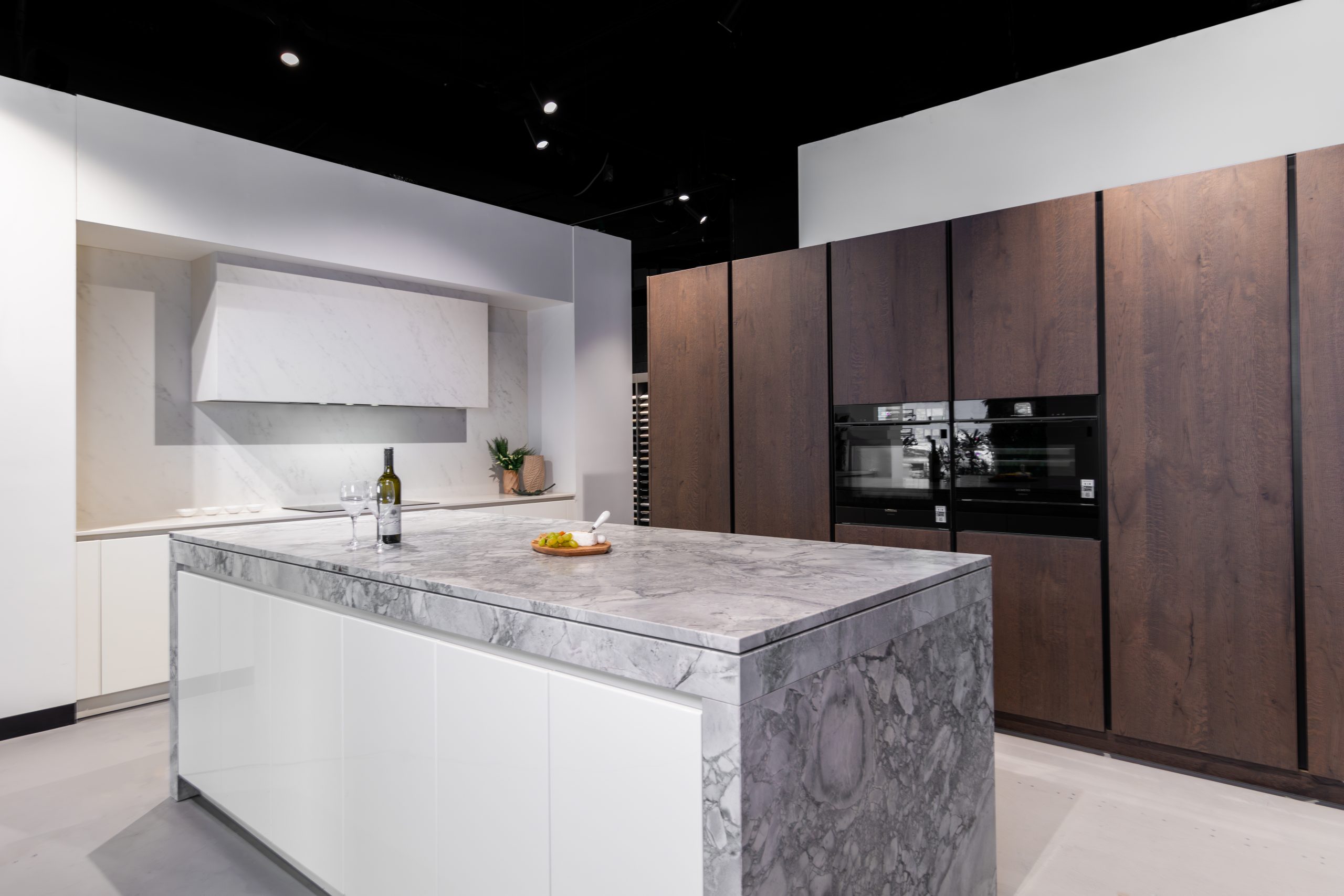
According to Wikipedia, a well-organised kitchen is the cornerstone of an efficient and enjoyable cooking experience. The five functional kitchen zones method is a strategic way to optimise your kitchen space, streamline your workflow, and make cooking a more pleasurable activity. In this guide, we will explore how to organise your kitchen using this method, ensuring every area is utilised to its fullest potential.
A well-organised kitchen is designed around five essential zones, each serving a specific purpose to streamline workflow and maximise efficiency. By thoughtfully planning these areas, movement in the kitchen becomes more intuitive, reducing unnecessary steps and improving functionality.
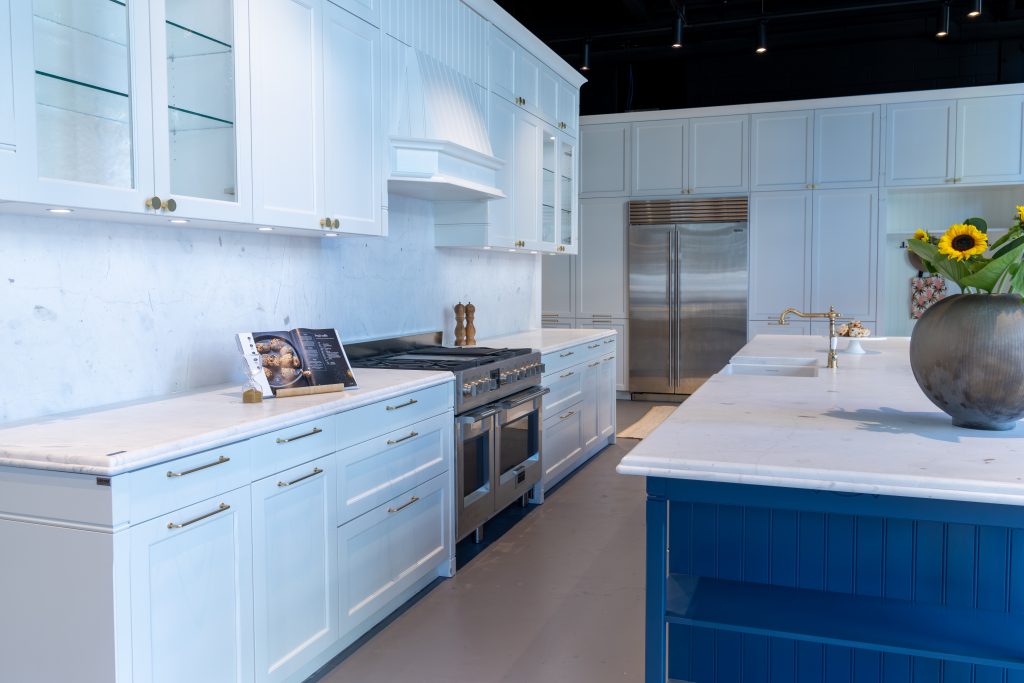
Purpose: This zone is dedicated to storing food items, including pantry staples, refrigerated goods, and dry storage.
How It Improves Efficiency:
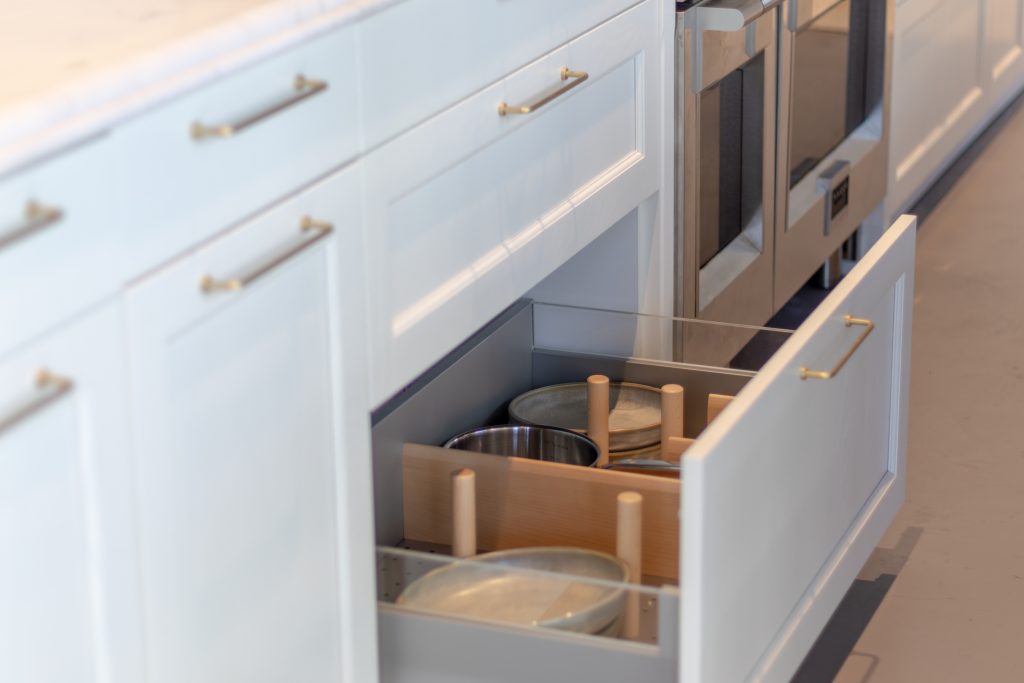
Purpose: This zone houses dishes, glassware, cutlery, and servingware, as well as food storage containers and baking trays.
How It Improves Efficiency:
Purpose: The cleaning zone includes the sink, dishwasher, trash, and recycling bins, everything needed for washing and waste disposal.
How It Improves Efficiency:
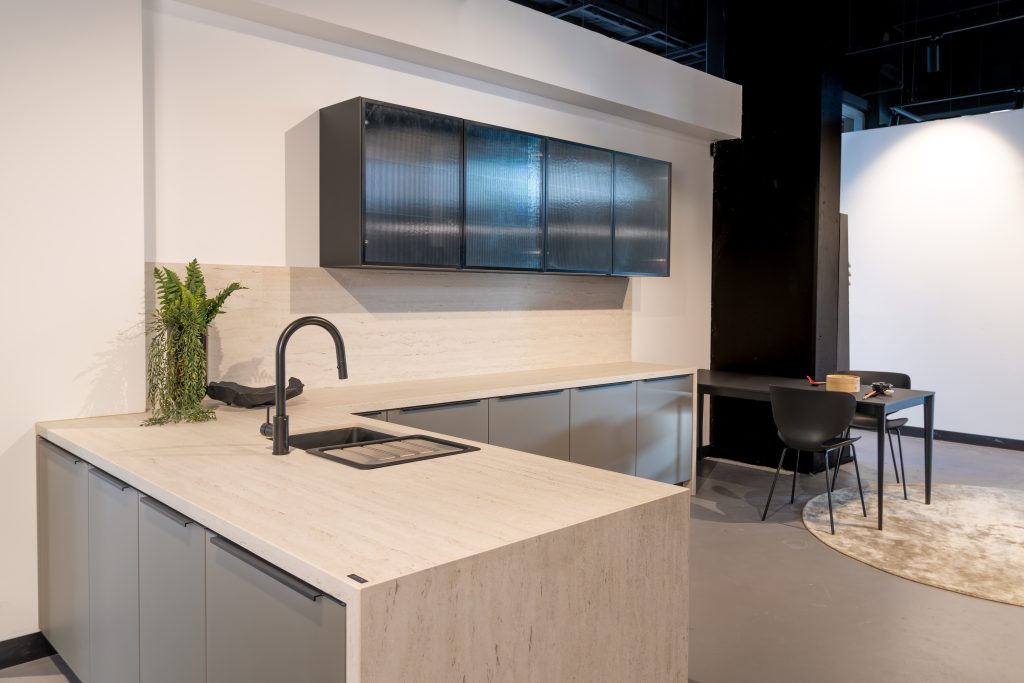
Purpose: This is the primary workspace for meal preparation, typically including benchtop space, cutting boards, mixing bowls, and small appliances like blenders or food processors.
How It Improves Efficiency:
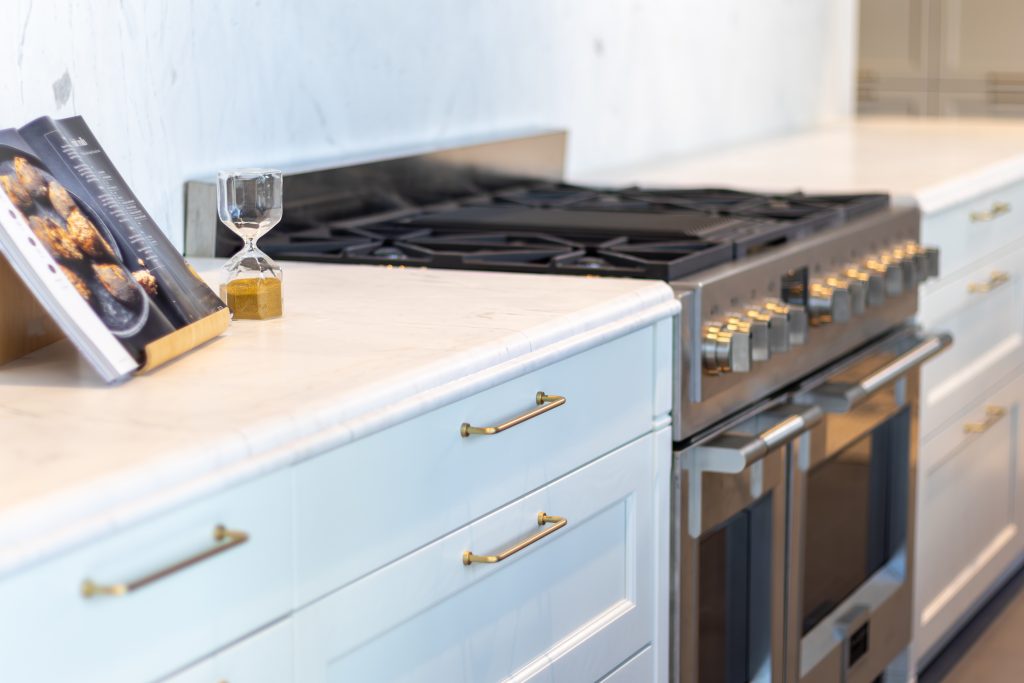
Purpose: The heart of the kitchen, the cooking zone includes the stovetop, oven, rangehood, microwave, and other heat-based appliances.
How It Improves Efficiency:
For decades, the kitchen work triangle was the gold standard in kitchen design – and continues to influence design conversations today. This concept, developed in the 1940s, positioned the sink, stove, and refrigerator at three points of a triangle to create an efficient workflow for a single cook.
As kitchens have grown larger and more integrated into open-plan living areas, the traditional triangle has been replaced by the five functional kitchen zones.
By dividing the kitchen into zones rather than relying on a rigid triangular layout, multiple people can use the space simultaneously without crowding, and the flow of movement becomes more intuitive.
Today’s kitchens are more than just places to cook, they have become the central hub of the home, serving as spaces for:
With these expanded functions, modern kitchen design prioritises flexibility, efficiency, and aesthetics. Open shelving, hidden storage solutions, and high-quality materials ensure that kitchens remain both practical and visually appealing.
| 5 Functional Kitchen Zones | Traditional Kitchen Triangle | |
| Description | Divides the kitchen into five distinct work zones: Food storage, preparation, cooking, Kitchenware storage, and cleaning. | Arranges the three main kitchen elements (sink, stove, and refrigerator) in a triangle to minimise movement. |
| Benefits | – Improves efficiency and workflow in the kitchen. – Creates a more organised and clutter-free space. – Makes it easier to find what you need and get tasks done. – Promotes a more enjoyable cooking experience. | – Minimises the distance travelled between the three main work areas. – Creates a sense of balance and harmony in the kitchen. – Is a well-established and time-tested design principle. – Can be adapted to a variety of kitchen layouts. |
| Drawbacks | – May not be suitable for all kitchen layouts, especially galley kitchens. – Can require more planning and effort to implement. – May not be as intuitive for some people as the traditional kitchen triangle. | – Does not take into account other important kitchen elements, such as countertops, islands, and appliances. – Can be inefficient for larger kitchens or kitchens with multiple cooks. – May feel cramped or restrictive in some kitchens. |
| Overall | A more modern and efficient approach to kitchen design that can be especially beneficial for larger kitchens and multiple cooks. | A classic and well-tested design principle that is still a good choice but just suitable for small kitchens. |
The Consumables Zone is where all your food items are stored, including pantry goods, canned items, dry goods, and refrigerated produce. It’s designed to make food storage and access effortless, helping you quickly find ingredients when cooking or prepping meals.
The Non-consumables Zone is the home for all your kitchenware, such as think plates, bowls, cups, serving dishes, containers, and utensils. This zone is usually located near the cleaning area to make unloading the dishwasher quick and easy.
The Cleaning Zone centres around your sink, dishwasher, and waste bins, everything needed for washing up and waste management. It’s where the magic of clean-up happens after every meal. Properly placing the sink between the preparation and cooking areas allows for a smooth, logical workflow.
The Preparation Zone is the core workspace where you’ll chop, mix, marinate, and assemble meals. It typically features generous benchtop space and is positioned between the consumables and cooking zones for easy ingredient access and swift transitions to the stove or oven.
The Cooking Zone is the heart of your kitchen, home to the stovetop, oven, microwave, and any other cooking appliances. Located close to the preparation area, this zone enables a fluid transition from prep to cooking. To boost efficiency, it’s best to store pots, pans, and cooking utensils here, along with spices and oils you use most often. With good ventilation and strategic organisation, the Cooking Zone becomes a comfortable, safe, and inspiring space to bring meals to life.
According to Wikipedia, the kitchen work triangle is a design concept that optimises efficiency by positioning the three key kitchen elements (the sink, stove, and refrigerator) in a triangular layout. This principle is based on the idea that the cook should have easy and direct access to these essential areas, minimising unnecessary movement.
By organising the kitchen into these five essential zones, and referencing a foundation in the work triangle, you create a logical, efficient workflow that enhances usability and minimises wasted movement. Thoughtful planning, such as positioning key appliances and storage areas near each other, ensures that cooking and cleaning processes feel seamless.
At Hacker Kitchens, we specialise in designing kitchens that maximise both functionality and aesthetics, ensuring every element is perfectly placed for an effortless cooking experience. Whether you’re renovating or designing from scratch, considering these zones will help create a space that works for you!

Grey has earned its place as one of the most enduring kitchen colours, and for good reason. Whether you lean towards soft…
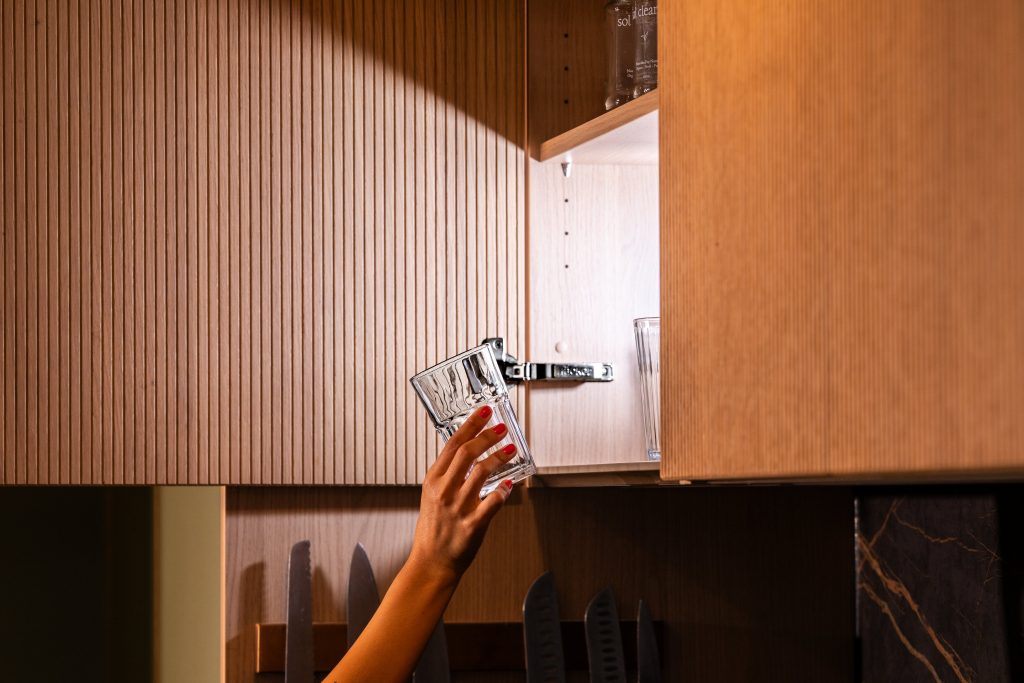
A decade ago, a butler’s pantry was considered a luxury reserved for architect-designed homes. Today, it has become one of the most…
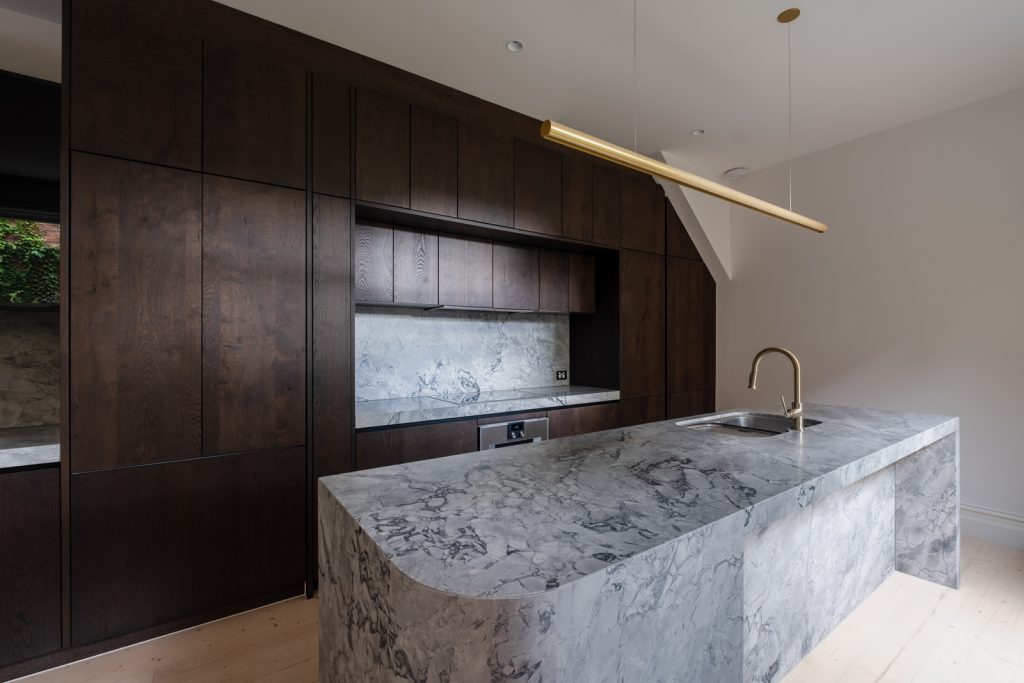
For years, white and grey dominated kitchen design. Now, a warmer, richer alternative has taken hold: the walnut kitchen. With its deep…