
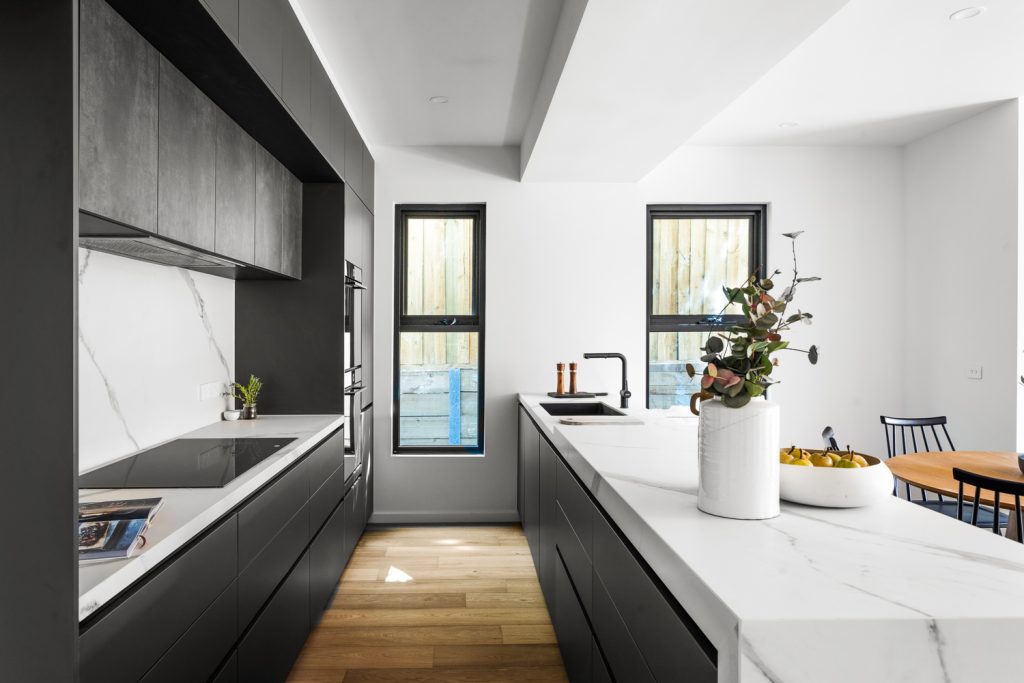
Grey Kitchen Ideas: Timeless Designs for Every Home
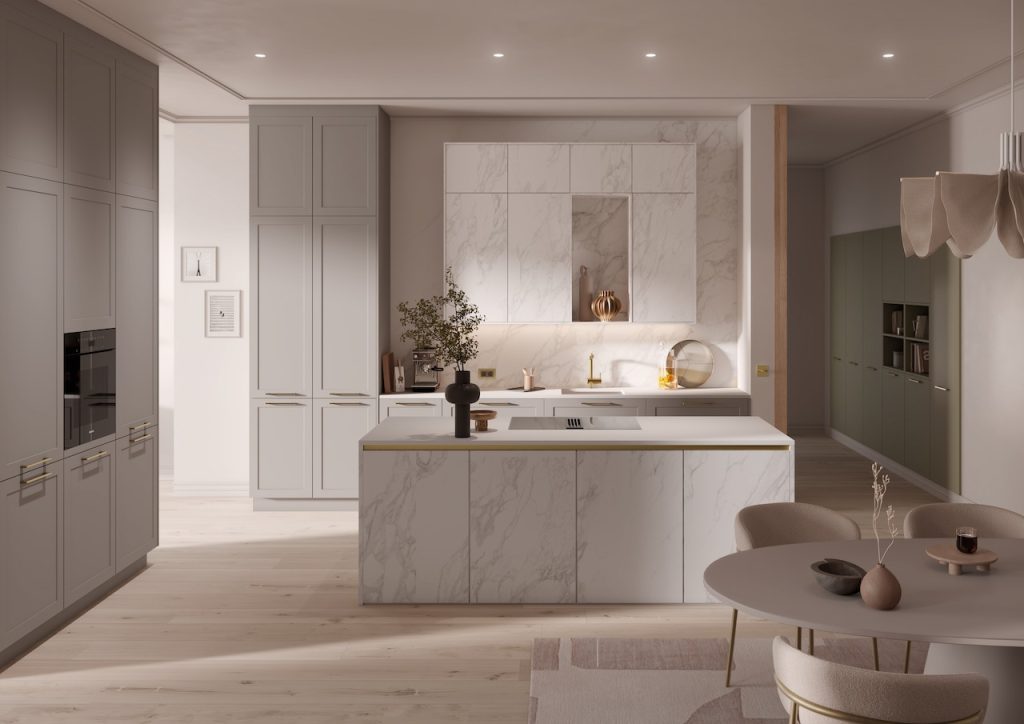
Grey has earned its place as one of the most enduring kitchen colours, and for good reason. Whether you lean towards soft…
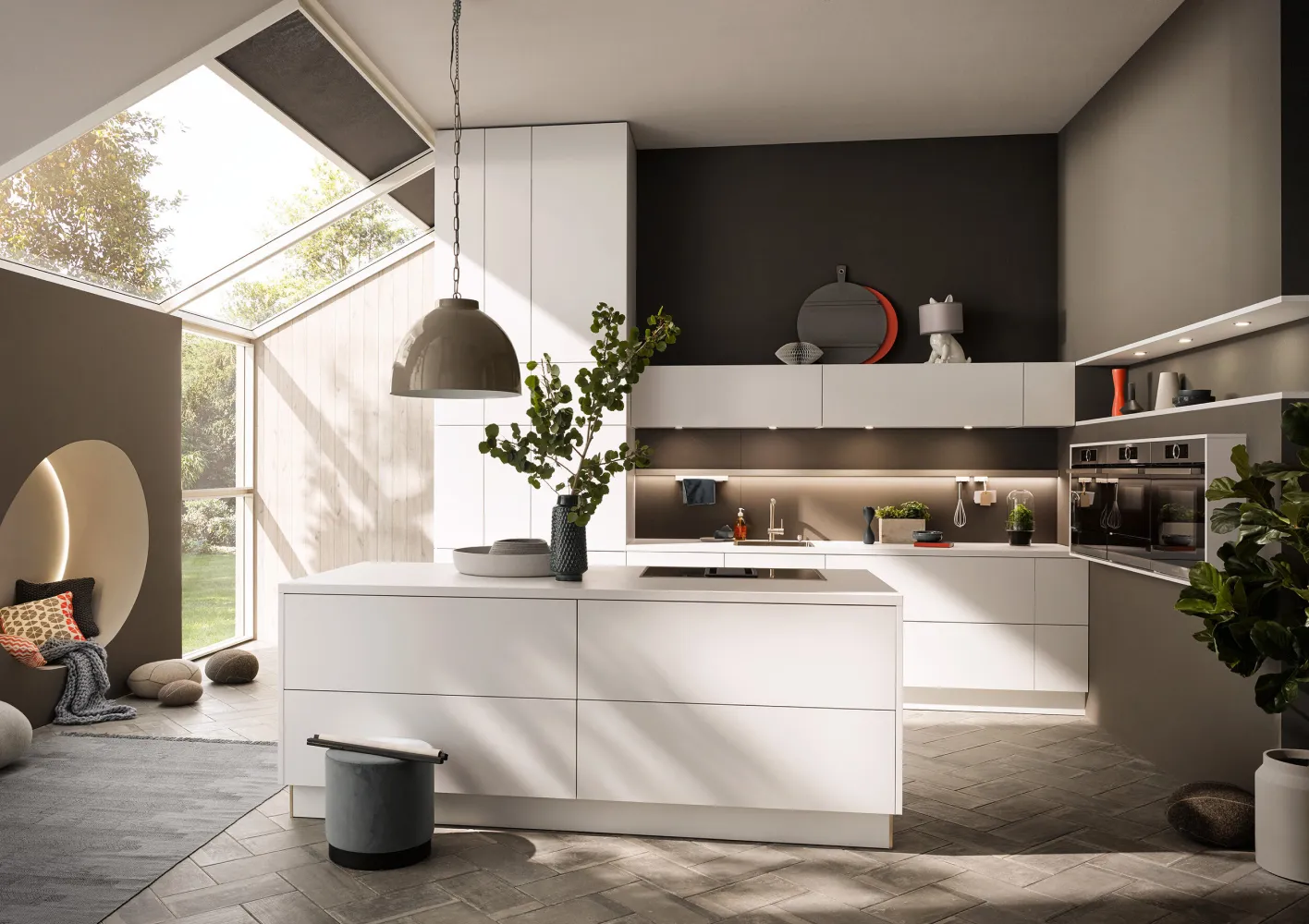
Kitchen renovation cost in Australia in 2026 ranges from around $8,000 for a cosmetic refresh to $100,000 or more for a fully custom luxury build, with most homeowners spending between $25,000 and $45,000 on a mid-range renovation. Hacker Australia designs every kitchen around German-engineered cabinetry built to a 10-year guarantee, so the quote you receive reflects a fixed, precision-manufactured system rather than a rough trade estimate. The final figure depends on kitchen size, cabinetry and benchtop material, layout changes, and labour.
Kitchen renovation cost in Australia depends primarily on scope, size and material grade rather than location alone, though capital cities generally sit above regional pricing. The table below sets out typical 2026 ranges by renovation type.
| Renovation type | Typical price range (2026) | What it covers |
|---|---|---|
| Cosmetic refresh | $8,000 to $20,000 | New doors, benchtop or splashback, hardware and paint, existing layout and cabinet boxes retained |
| Mid-range renovation | $25,000 to $45,000 | New cabinetry, stone or porcelain benchtops, updated appliances, minor layout changes |
| Luxury or custom remodel | $45,000 to $100,000+ | Bespoke joinery, integrated premium appliances, natural stone or porcelain benchtops, full layout and services changes |
For context on where these figures come from, the Housing Industry Association’s 2026 renovation data puts the average Australian kitchen renovation, including installation, at approximately $42,630, which sits toward the upper end of the mid-range band above.
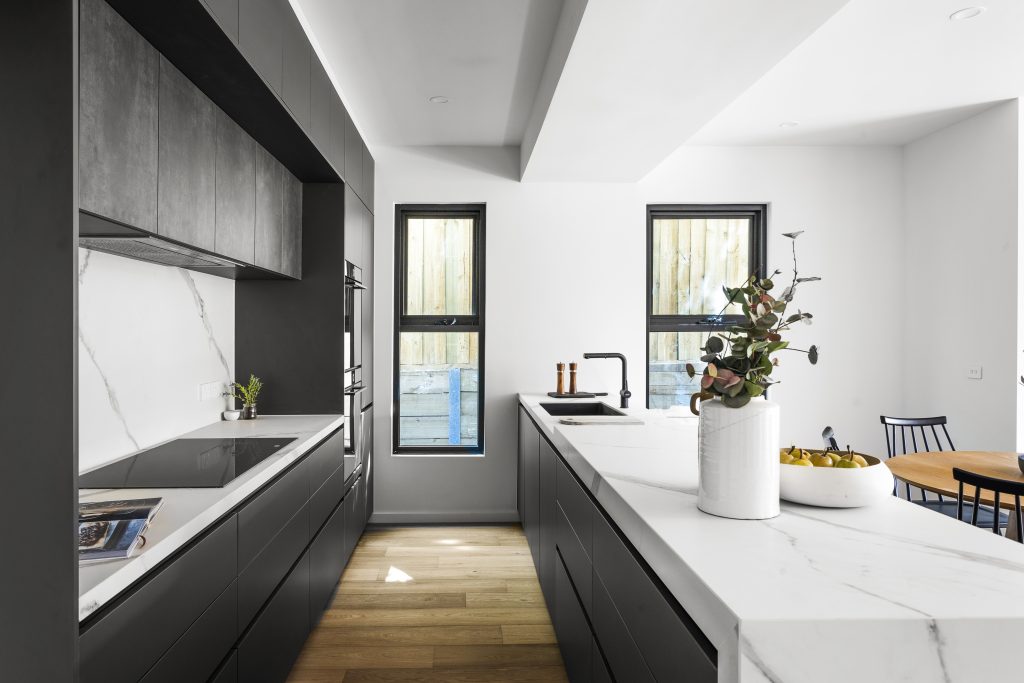
Kitchen size is one of the clearest cost drivers, but not always in the direction homeowners expect. Cabinetry, benchtops, plumbing and electrical work carry largely fixed costs regardless of floor area, so a small galley kitchen can cost 70 to 80% of a standard kitchen for the same finish level.
The same core cost drivers apply whether the project is a light refresh or a full rebuild.
Since 1 July 2024, engineered stone benchtops, panels and slabs cannot be manufactured, supplied, processed or installed anywhere in Australia, following a nationwide Work Health and Safety decision to prevent silicosis in stone fabrication workers. The ban does not cover porcelain or sintered stone, which is why these materials, alongside natural stone, are now the standard premium benchtop choice in new kitchen renovations. Homeowners comparing quotes should confirm which benchtop category is being priced, since porcelain, sintered stone and natural stone carry different price points and fabrication requirements.
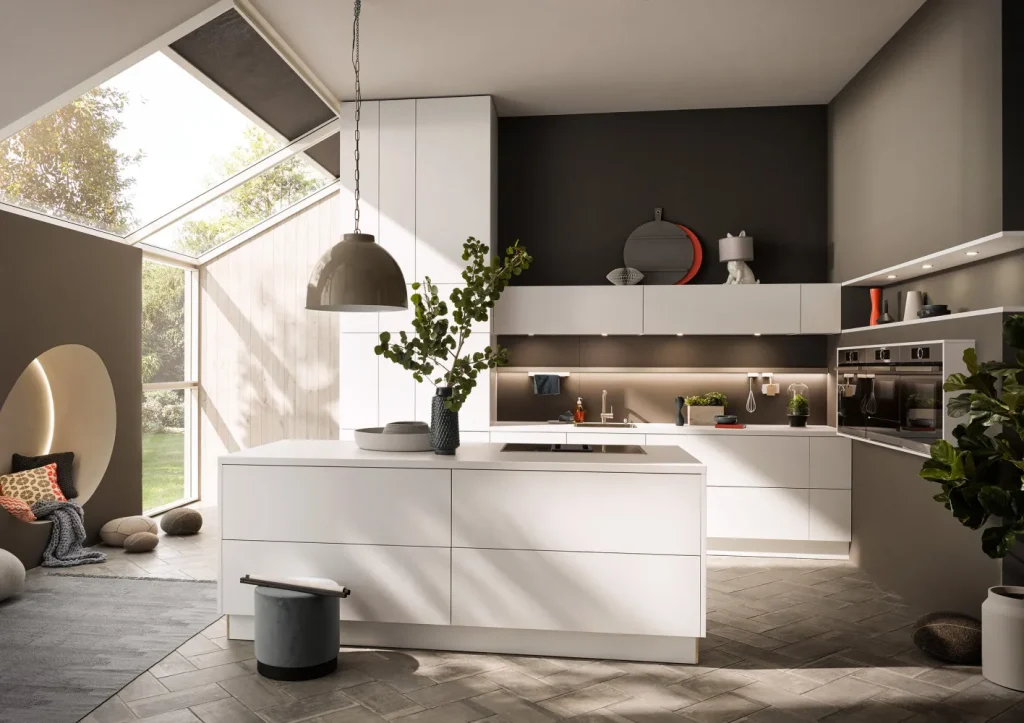
A luxury kitchen renovation typically exceeds $45,000 and can reach $100,000 or more, depending on the level of customisation. What separates a luxury renovation from a mid-range one is not a single feature but a combination of custom cabinetry, integrated appliances and premium surface materials working together.
Häcker Kitchens is built around precision German engineering, and every cabinet is manufactured to the same tolerances regardless of finish level. The patented Flying Bridge feature, which suspends the upper structure of an island to create a floating effect, is one example of the kind of engineered detail that separates a Häcker luxury kitchen from a locally fabricated custom build.
Smart planning protects quality even on a tighter budget. The following approaches make the biggest difference.
Coming to a design consultation with a clear budget range and at least one firm idea, whether that is a colour palette, a handleless cabinetry style or a must-have benchtop, gives a designer something concrete to plan around and saves time between the first consultation and the final layout. It is also worth flagging structural or services changes early. Switching from an electric cooktop to induction, for example, often needs a higher amp load than an older distribution board can supply, which can mean an electrical upgrade that is easy to miss when budgeting.
Ready to put real numbers against your own kitchen? Book a design consultation at your nearest Hacker Australia showroom and a designer will walk you through material options, layout changes and a tailored cost estimate.
Yes. Labour rates are generally higher in Sydney and Melbourne, at $50 to $150 per hour and trending toward the top of that range, while regional areas and smaller capital cities tend to sit lower due to reduced demand.
Cabinetry is usually the largest single cost, at 30 to 45% of the total budget, followed by benchtops and professional labour. Plumbing and electrical work add significant cost whenever fixtures are relocated rather than reused in place.
Melbourne pricing tracks the national bands closely: a cosmetic refresh runs roughly $8,000 to $20,000, a mid-range renovation $25,000 to $50,000, and a luxury renovation $70,000 to $100,000 or more, with labour typically at the higher end of the national $50 to $150 per hour range.
No. Engineered stone benchtops, panels and slabs have been banned from manufacture, supply and installation across Australia since 1 July 2024. Porcelain, sintered stone and natural stone are the current premium alternatives.
A small cosmetic update usually takes 2 to 4 weeks, a standard full renovation 6 to 12 weeks, and a luxury or fully custom kitchen 3 to 6 months, largely due to custom manufacturing lead times and any permits required for structural work.
Precision-engineered cabinetry, such as Häcker’s system, is manufactured to consistent tolerances and backed by a 10-year guarantee, which reduces the risk of the fit and finish issues that can appear over time with lower-tolerance manufacturing.
Most kitchen renovations that do not involve structural changes, relocated plumbing to a new position, or heritage property restrictions are exempt from a development application in most states, though licensed plumbers and electricians must still certify their own work under each state’s building code.

Grey has earned its place as one of the most enduring kitchen colours, and for good reason. Whether you lean towards soft…
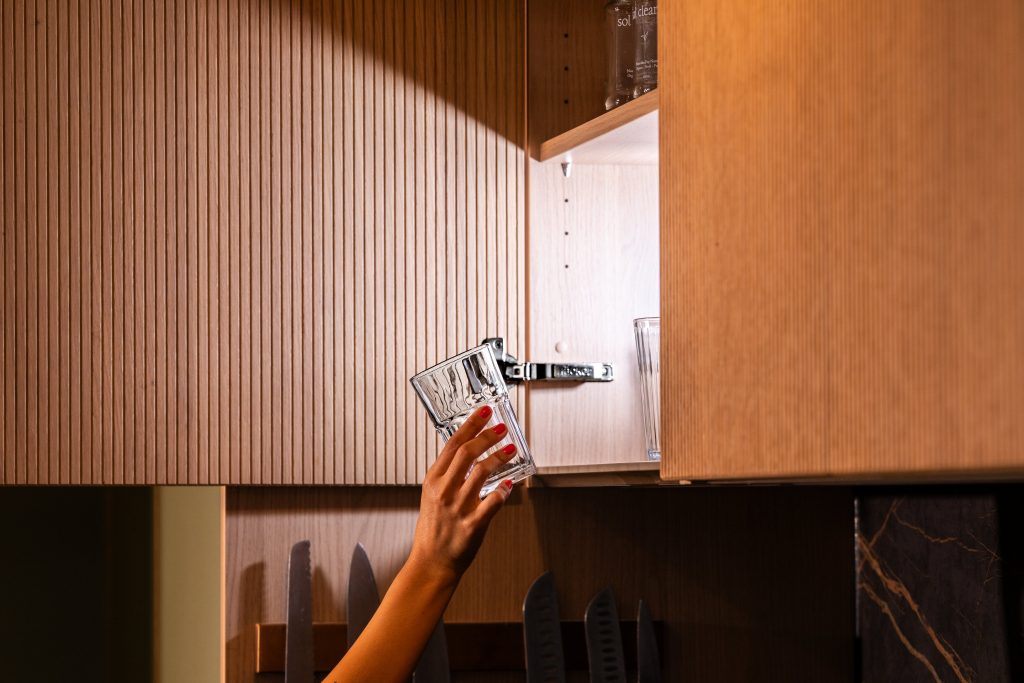
A decade ago, a butler’s pantry was considered a luxury reserved for architect-designed homes. Today, it has become one of the most…
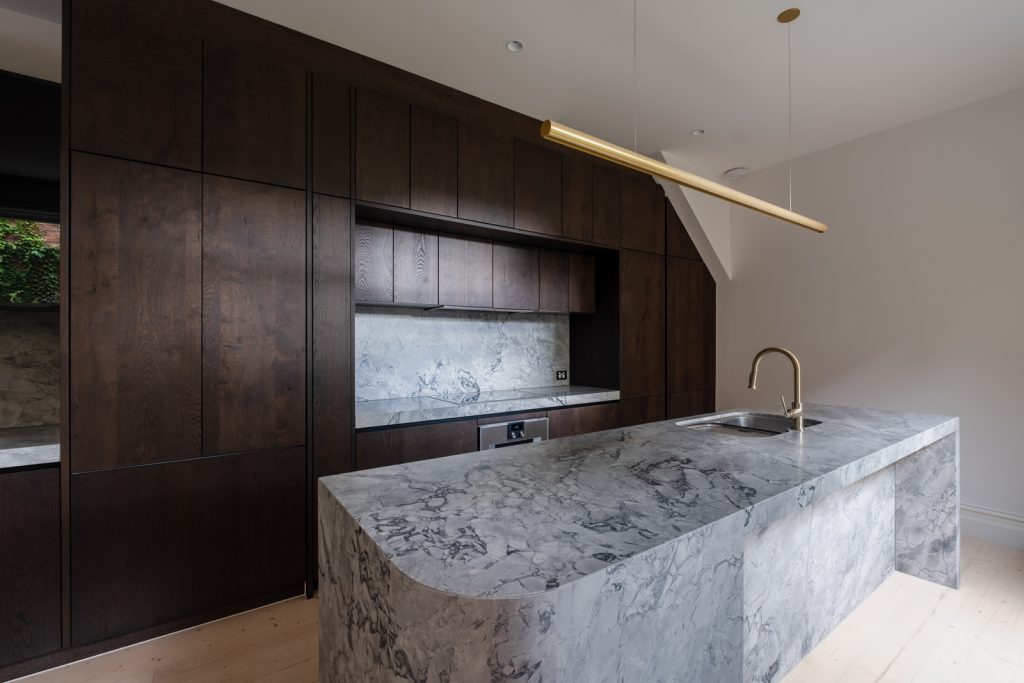
For years, white and grey dominated kitchen design. Now, a warmer, richer alternative has taken hold: the walnut kitchen. With its deep…